


FQHC Remote Patient Monitoring: Billing, Reimbursement, and Compliance Guide





Author
As CEO and Founder of Kangaroohealth, Dr. Kang is a healthcare innovator with nearly two decades of experience in healthcare and 20+ national and international awards. She received her PhD and medical training from Johns Hopkins University.Dr. Kang, CEO and Founder of Kangaroohealth, is a healthcare innovator with nearly two decades of experience. She has received over 20 national and international awards. Dr. Kang completed her PhD and medical training at Johns Hopkins University.


Running an RPM program at a Federally Qualified Health Center (FQHC) comes with a specific set of billing rules that most general remote patient monitoring guides never cover. Your patients are different, your payment structure is different, and the billing rules changed significantly in 2025 and 2026. If your program is still built around the old G0511 bundled code, it needs an update now.
This guide covers what FQHC remote patient monitoring actually looks like, how billing works under the Medicare Prospective Payment System (PPS), what the G0511 transition means for your revenue, and what you need to run a compliant, sustainable program that generates real revenue on top of your existing PPS rate.
What is FQHC Remote Patient Monitoring?
Federally Qualified Health Centers are community health centers funded through HRSA (Health Resources and Services Administration) grants and required by law to serve every patient regardless of ability to pay. FQHCs currently serve about 32.5 million people across the U.S., more than 1 in 10 Americans. Over 10 million of those patients live in rural areas, and more than 29 million live below the poverty line.
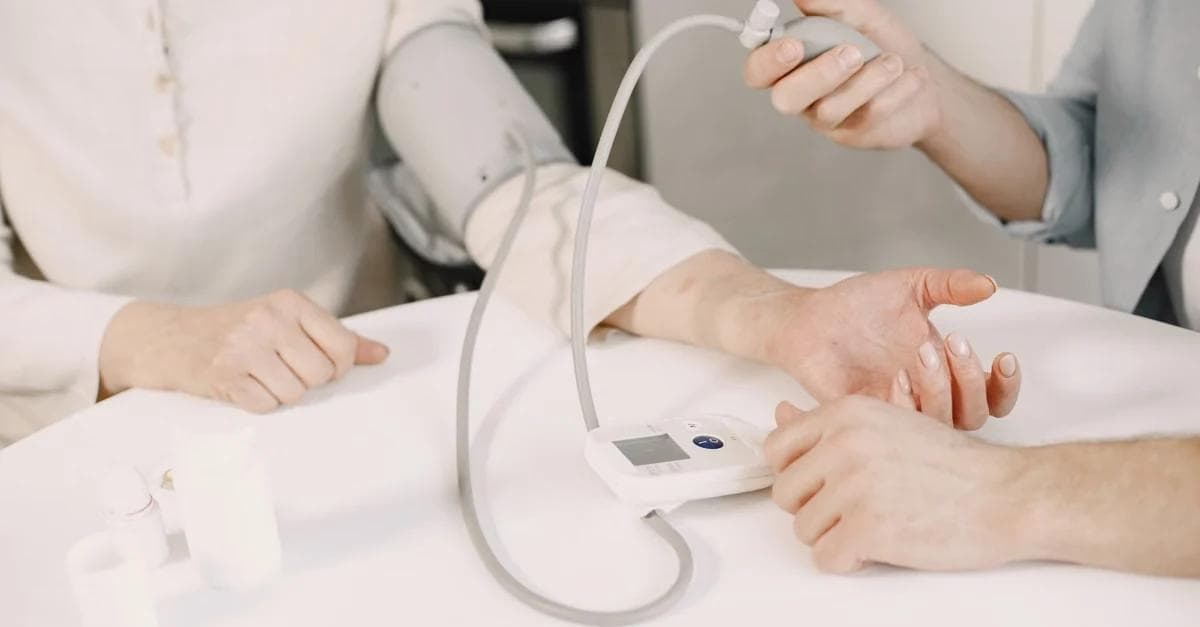
Remote patient monitoring (RPM) is a Medicare benefit that allows your clinical team to track patient health data between visits using connected devices. A patient uses a small device at home - a blood pressure cuff, a glucose meter, a pulse oximeter, and that device automatically transmits readings to your clinical team. The patient doesn't type anything in, doesn't use an app, and doesn't need to initiate anything.
Critical billing point: If a patient writes down their own blood pressure and reports it over the phone, that does not qualify as RPM under CMS rules. The reading must come from the device directly. This is the line between RPM and standard telephonic care management - and it determines whether you can bill.
RPM fits the FQHC patient population well. Your patients are disproportionately managing hypertension, diabetes, COPD, and heart failure, exactly the chronic conditions remote patient monitoring is built to track continuously. The question for most FQHC administrators is not whether RPM is clinically appropriate, but how billing actually works given FQHC-specific payment rules.
Why Is Remote Patient Monitoring Important for FQHCs?
FQHC margins have been deteriorating sharply from 5.3% during 2020–2022 (inflated by COVID-era funding) to 1.6% in 2023 to negative 2.1% in 2024. RPM is one of the few programs available to FQHCs today that generates genuine additive Medicare revenue, separate from and on top of the existing PPS rate.
Here are the core reasons FQHCs are adding RPM programs now:
It Closes the Distance and Transportation Gap
Transportation is one of the primary reasons low-income and rural patients miss appointments. When visits get spaced out, chronic conditions worsen, and the next encounter is often an ED visit rather than a scheduled check-in. RPM keeps your care team connected to patients at home, between visits, without requiring them to arrange transportation or take time off work.
It Adds Real Revenue Outside Your PPS Bundle
Before 2024, FQHC RPM revenue was trapped inside the PPS bundle; you couldn't bill for it separately, no matter how many patients you monitored. CMS changed that. RPM now generates independent monthly Medicare billing on top of your PPS rate, not instead of it. See the billing stacking example in the PPS section below.
It Produces Measurable Clinical Outcomes
NYU Langone ran an RPM program through its Family Health Centers (a network of FQHCs) and published results in NEJM Catalyst. Patients in the program saw their blood pressure drop by 13.5/8.0 mmHg on average. The share of patients with controlled hypertension rose from 68.44% to 82.99% over two years. A separate study of 6,595 RPM patients found uncontrolled hypertension dropped from 66.3% to 40.2% during monitoring.
It Improves Your HRSA Quality Scores
HRSA requires FQHCs to report blood pressure and diabetes control metrics annually through the Uniform Data System (UDS). These scores affect HRSA recognition and grant funding renewal. RPM moves both metrics in the right direction, and the data it generates provides documentation that supports your UDS reporting.
How Does Remote Patient Monitoring Work in an FQHC?
A compliant FQHC RPM program follows a specific workflow. Each step ties to a billing code - missing a step typically means missing that reimbursement for the month.
Step 1: Patient Identification
Start with patients who need ongoing monitoring: uncontrolled hypertension, Type 2 diabetes, heart failure, and COPD are the most common starting points. Most FQHCs already have this population in their panel - the task is identifying who is highest-risk and most likely to engage with a device.
Step 2: Consent Documentation
CMS allows verbal consent, but you must document it in the patient's chart. Your consent documentation should include: explanation of RPM services, notification that cost-sharing (20% coinsurance) may apply, and confirmation that only one provider can bill RPM for this patient per month. Missing or incomplete consent documentation is one of the most common reasons FQHC RPM claims are rejected in audit.
Step 3: Device Setup (CPT 99453)
A staff member provides the patient with an FDA-cleared device and walks them through how to use it. This is a one-time billable event, approximately $19, and it's the foundation for everything that follows. Device choice matters here: cellular-enabled devices transmit automatically over cellular networks without requiring the patient's Wi-Fi, a smartphone, or an app. For FQHC patients who may lack reliable broadband or a smartphone, cellular-first is not optional.
Step 4: Data Transmission (CPT 99454 or 99445)
Once the device is set up, it sends readings to your platform automatically. To bill CPT 99454 (approximately $49/month), the patient must generate at least 16 days of data within a 30-day period. A new 2026 code, CPT 99445, covers patients who transmit for 2–15 days, reducing the number of months you have to write off entirely for patients who miss the standard threshold.
Step 5: Treatment Management (CPT 99457 and 99458)
Your clinical staff reviews the incoming data, monitors for out-of-range readings, and reaches out to the patient. To bill 99457 (approximately $51/month), you need at least 20 minutes of qualified staff time and at least one live interactive communication with the patient in the month. Each additional 20 minutes can be billed as 99458 (approximately $40). A new 2026 code, CPT 99470, covers patients where your team logs 10–19 minutes but cannot complete interactive communication; it cannot be billed in the same month as 99457.
Step 6: Documentation
Every minute of staff time, every patient interaction, and every data review must be logged contemporaneously, not reconstructed at the end of the month. This documentation backs up every CPT code you bill. The OIG has flagged RPM documentation as a growing audit focus; automated time-tracking tools eliminate the reconstruction risk entirely.

FQHC Remote Patient Monitoring Billing and Reimbursement
FQHC billing works differently from standard fee-for-service, and understanding this is the biggest gap in most RPM guides. The key facts are: (1) FQHCs no longer use the G0511 bundled code; (2) RPM is now billed using the same individual CPT codes used by physician offices; and (3) RPM revenue stacks on top of the PPS rate, not inside it.
The G0511 Transition: What Changed and When
If your FQHC program still references G0511, G0512, or G0071, update it now. These codes were terminated as of 2026. Billing them will result in rejected claims.
Here is the timeline of how FQHC RPM billing evolved:
- Before 2024, FQHCs could not bill RPM separately at all. All care management services were bundled into the PPS rate.
- 2024: CMS folded RPM and other care management services into the bundled code G0511, which paid approximately $74. Separate RPM billing became possible for the first time.
- CY 2025 Physician Fee Schedule: CMS retired G0511 and required FQHCs to bill individual CPT codes at the national non-facility Physician Fee Schedule rate. A grace period ran through September 30, 2025.
- 2026 (current): G0511, G0512, and G0071 are fully terminated. FQHCs bill standard RPM CPT codes at PFS rates. Two new codes - 99445 and 99470 were added to address common gap scenarios.
2026 RPM CPT Codes and Rates for FQHCs
Here's what each code pays in 2026, side by side:
| Column 1 | Column 2 | Column 3 | |
|---|---|---|---|
CPT Code | Service Description | Billing Threshold | 2026 Avg. Reimbursement* |
99453 | Initial device setup and patient education on the use of the equipment | One-time per patient | ~$19 |
99454 | Device supply - remote monitoring of 1+ physiologic parameter(s) | 16+ days of data in a 30-day period | ~$49 |
99455 | NEW 2026: Device supply for shortened monitoring window | 2–15 days of data | ~$25 (est.) |
99457 | Remote treatment management, clinical staff - first increment (requires live interactive communication) | 20 min/month minimum | ~$51 |
99458 | Remote treatment management - each additional increment | Each additional 20 min | ~$40 |
99470 | NEW 2026: Brief remote monitoring management (no interactive communication required) | 10–19 min/month (cannot bill same month as 99457) | ~$26 (est.) |
* National averages at the non-facility Physician Fee Schedule rate. Actual reimbursement varies by geography and annual CMS updates. FQHCs bill at these rates independently of PPS.
99453 is a one-time setup code. All other codes are monthly. 99445 and 99470 are new in 2026 and may not yet be supported by all billing systems - confirm with your billing vendor.
How RPM Revenue Stacks with Your PPS Rate
This is the most important financial concept for FQHC RPM programs: RPM payments are additive to your PPS rate, not a replacement for it. When a qualifying RPM service is delivered in the same month as a PPS visit, Medicare pays your full PPS amount and then adds 80% of the RPM charges on top.
The patient owes 20% coinsurance on the RPM portion. RPM costs are tracked separately on your cost report, outside PPS. Only one billing practitioner per facility can bill RPM per patient per month.
| Column 1 | Column 2 | Column 3 |
|---|---|---|
Payment Component | Who Pays | Amount |
FQHC PPS base rate (2026) | Medicare pays 100% of the PPS rate | $207.72 |
RPM: 99454 (device supply) | Medicare pays 80% | ~$39.20 |
RPM: 99457 (20-min monitoring) | Medicare pays 80% | ~$40.80 |
RPM: 99458 (additional 20 min) | Medicare pays 80% | ~$32.00 |
Patient coinsurance on RPM | Patient pays 20% of RPM charges | ~$28.00 |
Total monthly payment (clinic + RPM) | Medicare + patient | ~$319.72 per patient |
Example assumes one PPS visit + 99454 (device) + 99457 (20 min) + 99458 (additional 20 min) in the same calendar month. Actual amounts vary by patient engagement, billing mix, and geography.
For an FQHC enrolling 100 Medicare patients in RPM, this stacking structure can generate $10,000–$15,000 in additive monthly revenue , revenue that was entirely inaccessible before 2024 and that grows as enrollment scales.
Benefits Of Remote Patient Monitoring For FQHCs
Why is remote patient monitoring important for FQHCs specifically? Because the patient population you serve - high chronic disease burden, limited transportation, lower health literacy, inconsistent internet access is exactly the population that benefits most from continuous between-visit monitoring.
- Improved chronic disease control: The NYU Langone FQHC study showed blood pressure control rose 14 percentage points over two years. Continuous monitoring enables earlier intervention, medication adjustment, and patient coaching before a condition deteriorates to an ER visit.
- Continuous connection between visits: RPM doesn't stop when a patient leaves the clinic. When a reading comes back out of range, your nurse can call and adjust treatment right away before that patient ends up in the ED.
- Staff efficiency: One nurse can review monitoring data for dozens of patients in the time it takes to see two or three in person. That's hours returned to your care team for patients who genuinely need face-to-face attention.
- Additive revenue, not a substitution: Billing 99454 and 99457 each month for one Medicare patient generates approximately $99 in additional monthly revenue. Add 99458 for extended monitoring time, and you can reach $150–$200 or more per patient per month. Layering Chronic Care Management (CCM) adds further reimbursement on top.
- Removal of the transportation barrier: For patients who can't get to your clinic consistently, RPM is one of the only tools that lets you manage their chronic conditions without requiring them to appear in person. This is especially significant for rural FQHC locations.
- HRSA UDS metric improvement: Blood pressure control and HbA1c management are core UDS reporting metrics. RPM moves both numbers systematically and provides the data trail to document improvement for HRSA reporting.
For a deeper look at how CCM and RPM work together to reduce utilization and generate revenue, see: Chronic Care Management and Remote Patient Monitoring.
FQHC Remote Patient Monitoring Vendor Evaluation Criteria
An RPM vendor provides the devices, software, and, in the best cases, clinical monitoring staff to run your program. The vendor you choose determines whether your program stays compliant, scales efficiently, and actually works for your patient population. Here is what to evaluate before you sign:
| Column 1 | Column 2 | Column 3 |
|---|---|---|
Evaluation Criteria | What to Look For | |
Cellular-first devices | Devices that transmit over cellular networks - no patient Wi-Fi, smartphone, or app required. Essential for FQHC patient populations. | |
Multilingual clinical staff | Bilingual or multilingual nurses who can communicate directly with patients in their language, without interpreters adding time to every call. | |
White-label clinical monitoring | Vendor's nurses monitor under your organization's name, with your providers in charge. Allows program scale without clinical hires. | |
Automated time tracking | Minute-by-minute time logging built into the platform. Manual time tracking creates audit risk under OIG scrutiny of RPM billing. | |
EHR/EMR integration | Direct data import into your existing system (Epic, Cerner, athenahealth, etc.) - no second login or platform to manage. | |
Implementation speed | Devices ordered, delivered, and staff trained within 2 weeks. Longer ramp-up delays both patient outcomes and revenue. | |
Compliance support | Patient consent documentation, audit-ready records, and billing code guidance built into the platform workflow. | |
Multi-site scalability | A single platform that operates consistently across all your clinic locations under one program structure. |
The right vendor does not just supply hardware. They reduce the compliance burden, handle documentation automatically, and allow your clinical team to focus on patient care rather than program administration.
How KangarooHealth Supports FQHC Remote Patient Monitoring
KangarooHealth is a connected care platform built for the operational realities of FQHCs and resource-constrained health centers. We provide the full stack: cellular-enabled devices, CMS-compliant care management software, and US-based clinical monitoring staff - so your team can run a compliant RPM program without adding headcount or building new workflows from scratch.
What We Offer FQHCs
- Cellular-enabled FDA-cleared devices: 100+ connected devices across 50+ chronic and high-risk conditions, blood pressure cuffs, glucometers, pulse oximeters, weight scales, all cellular-first. No patient Wi-Fi or smartphone required.
- White-label clinical monitoring: KangarooHealth's nurses monitor your patients under your organization's name, with your providers remaining in charge. Scale from 50 patients to 500 without proportional clinical hires.
- Automated time tracking and documentation: Minute-by-minute tracking built into the platform generates billing-ready documentation every month. Audit-ready records are maintained automatically, with no manual reconstruction.
- EHR/EMR integration: Direct integration with Epic, Cerner, athenahealth, and other major systems. No separate login, no data re-entry, no second platform.
- Multilingual clinical staff: Our US-based team includes bilingual and multilingual nurses who communicate directly with patients in their language, essential for the diverse patient populations most FQHCs serve.
- Full program support: RPM, RTM, CCM, PCM, and APCM - all in one platform. Add programs as your panel grows. See how the benefits of CCM compound when layered with RPM for high-risk patients.
- Implementation in 2 weeks: Device ordering, delivery, and staff training completed within two weeks of program launch. No capital investment required.
Platform Outcomes
- 6 million+ physiological data points collected
- 200,000+ remote monitoring hours logged
- 48% reduction in adverse events across enrolled patients
- 98% patient satisfaction across 13,500+ enrolled patients
- Nurse-to-patient ratio of 125–150 patients per nurse, well below the industry standard, ensuring more monitoring time per patient
Book a demo to see how KangarooHealth supports FQHC RPM programs from device logistics to compliance documentation to clinical monitoring at scale, and discuss your patient panel and program goals.

Frequently Asked Questions About FQHC Remote Patient Monitoring (FAQs)
Below are the questions FQHC administrators most commonly raise when evaluating RPM programs:
Can FQHCs and RHCs Both Bill for Remote Patient Monitoring?
Yes - the same CMS rule change opened RPM billing for both FQHCs and Rural Health Clinics (RHCs) simultaneously. You bill the same CPT codes, follow the same thresholds, and document the same way. The key difference is the underlying payment structure: FQHCs use the Prospective Payment System (PPS), while RHCs use the All-Inclusive Rate (AIR). In both cases, RPM charges are additive to the base rate.
Does Medicare Cover Remote Patient Monitoring for FQHC Patients?
Yes. Medicare Part B covers RPM for FQHC patients. Medicare pays 80% of the applicable RPM CPT code charges; patients are responsible for 20% coinsurance. FQHCs must meet the same documentation and time thresholds as any other Medicare provider, at least 16 days of device data per month for 99454 and at least 20 minutes of clinical staff time with live interactive communication for 99457.
What Are the Patient Consent Requirements for FQHC RPM?
CMS requires consent before RPM services begin. Verbal consent is acceptable, but it must be documented in the patient's chart. Your consent documentation should include: explanation of RPM services, disclosure that the patient may owe 20% coinsurance on RPM charges, and notification that only one provider can bill RPM for them per month. Missing or incomplete consent documentation is one of the most common causes of FQHC RPM claim rejections in audits.
Can FQHC Patients Enroll in Both RPM and CCM?
Yes. RPM and CCM address different aspects of chronic care: RPM covers continuous biometric monitoring, while CCM covers structured care coordination and care planning. Both can be billed for the same patient in the same month, as long as the clinical time is tracked separately - you cannot count the same minutes toward both codes. Together, they give your team more touchpoints for early intervention while generating additive reimbursement. See how CCM and RPM work together for a full breakdown.
What is the Typical Timeline for an FQHC to Launch an RPM Program?
With the right vendor, the setup phase - system configuration, device ordering and delivery, staff training takes approximately two weeks. After launch, plan on two to three months for your patient panel to meet billing thresholds consistently. A phased approach works best: start with a cohort of 20–30 high-risk patients, refine your workflow, then scale up. KangarooHealth's implementation team handles logistics so your clinical staff can focus on patient outreach and enrollment.
What Happened to CPT G0511 for FQHCs?
G0511 was the bundled care management code that CMS introduced in 2024 to allow FQHCs to bill RPM and CCM for the first time. It paid approximately $74 for all included services. The CY 2025 Physician Fee Schedule final rule retired G0511 and transitioned FQHCs to individual CPT codes, with a grace period through September 30, 2025. As of 2026, G0511, G0512, and G0071 are fully terminated. FQHCs now bill standard RPM CPT codes (99453, 99454, 99445, 99457, 99458, 99470) at the national non-facility Physician Fee Schedule rate, resulting in substantially higher reimbursement per patient than G0511 provided.
Can a Provider Launch RPM Without Hiring Additional Staff?
Yes. Through white-label clinical monitoring, a vendor like KangarooHealth provides nurses who monitor your patients under your organization's name, with your providers remaining in charge of clinical decisions. This allows FQHCs to scale RPM programs significantly without adding to their headcount - an important consideration given rural workforce constraints. Your clinical team reviews escalations and manages the patient relationship; the vendor's team handles day-to-day monitoring, data review, and routine patient outreach.
Conclusion
FQHCs can now bill remote patient monitoring on their own, separate from the PPS rate. The G0511 bundled code is gone as of 2026. FQHC RPM billing runs on individual CPT codes at Physician Fee Schedule rates, stacking directly on top of your existing reimbursement. For a program with 100 enrolled Medicare patients, that can mean $10,000–$15,000 in additive monthly revenue.
The clinical case for FQHC RPM is equally strong. Your patients are managing the exact chronic conditions RPM is built for, and the published outcomes - 14-percentage-point improvement in blood pressure control, 26-point drop in uncontrolled hypertension show what consistent monitoring actually delivers.
Running RPM well requires the right infrastructure: cellular-enabled devices, automated time tracking, multilingual clinical staff, and documentation that stays audit-ready without manual reconstruction. KangarooHealth provides all of it, including RPM, CCM, PCM, and APCM, with no upfront cost and a two-week implementation timeline.
Schedule a demo to see how KangarooHealth supports FQHC RPM programs and to get a reimbursement projection for your specific patient panel.

Dr. Xiaoxu Kang
AuthorAs CEO and Founder of Kangaroohealth, Dr. Kang is a healthcare innovator with nearly two decades of experience in healthcare and 20+ national and international awards. She received her PhD and medical training from Johns Hopkins University.Dr. Kang, CEO and Founder of Kangaroohealth, is a healthcare innovator with nearly two decades of experience. She has received over 20 national and international awards. Dr. Kang completed her PhD and medical training at Johns Hopkins University.
Other articles you might find interesting

Medicare GUIDE Program: Eligibility, Benefits, and How It Compares to CCM
Remote Patient Monitoring for Heart Failure: Metrics, Clinical Alerts, and Outcomes

ACO REACH Program Shift to LEAD: Why RPM and CCM Matter More Than Ever