


Remote Patient Monitoring for Heart Failure: Metrics, Clinical Alerts, and Outcomes





Author
As CEO and Founder of Kangaroohealth, Dr. Kang is a healthcare innovator with nearly two decades of experience in healthcare and 20+ national and international awards. She received her PhD and medical training from Johns Hopkins University.Dr. Kang, CEO and Founder of Kangaroohealth, is a healthcare innovator with nearly two decades of experience. She has received over 20 national and international awards. Dr. Kang completed her PhD and medical training at Johns Hopkins University.


Over 7.4 million people in North America are living with heart failure - one of the most serious chronic conditions in primary and specialty care, and one of the leading drivers of repeat hospitalizations. The 30-day readmission rate for heart failure patients runs at approximately 24.8% (Dharmarajan et al., JAMA), with 90-day readmissions exceeding 40% in some analyses. Total projected spending on heart failure is expected to approach $70 billion by 2030 (American Heart Association).
Heart failure rarely crashes without warning. It builds over days through early physiological changes - fluid accumulation, blood pressure shifts, declining oxygenation - that your patient often cannot perceive until they are already in crisis. By the time they call your office or arrive in the emergency department, the intervention window has passed.
Remote patient monitoring (RPM) for heart failure closes that gap. Daily device readings sent directly to your care team provide the visibility to detect deterioration early and intervene before it becomes a hospitalization. This article covers how cardiac RPM works, which metrics to track, how to set alert thresholds, what the clinical evidence shows, and how RPM and CCM work together for high-risk cardiac populations.
What Is Remote Cardiac Monitoring?
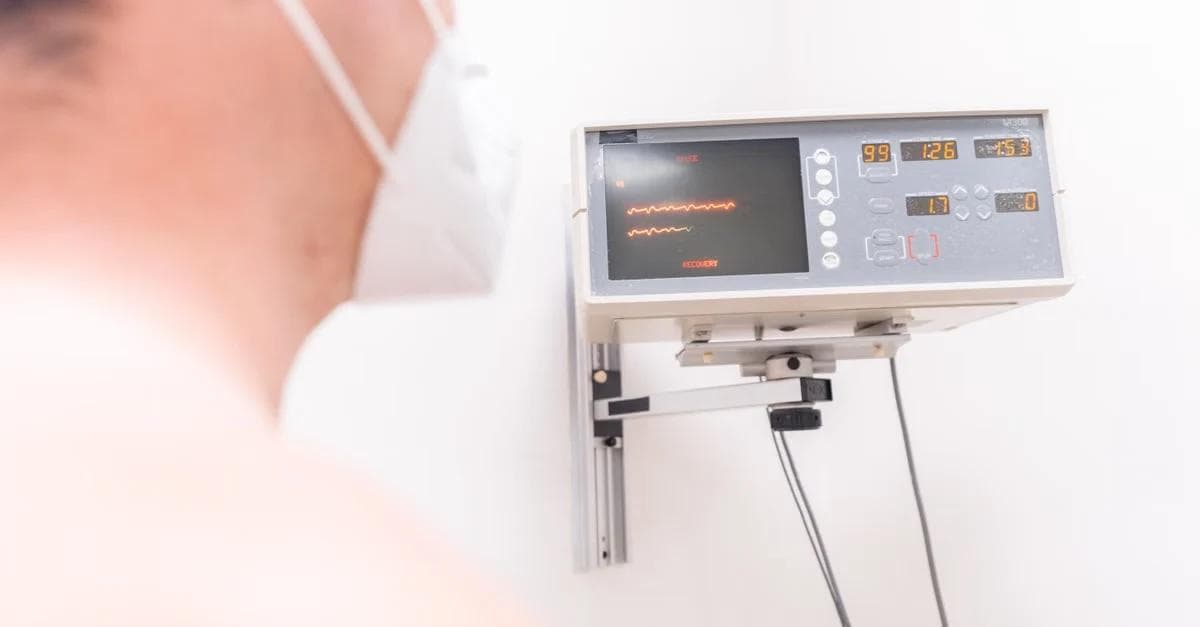
Remote cardiac monitoring uses connected devices to collect heart-related physiological data from a patient at home and transmit it automatically to your care team for daily review. Instead of relying on scheduled appointments - often spaced weeks or months apart - your team receives a continuous stream of readings that reflect how the patient is actually doing between visits.
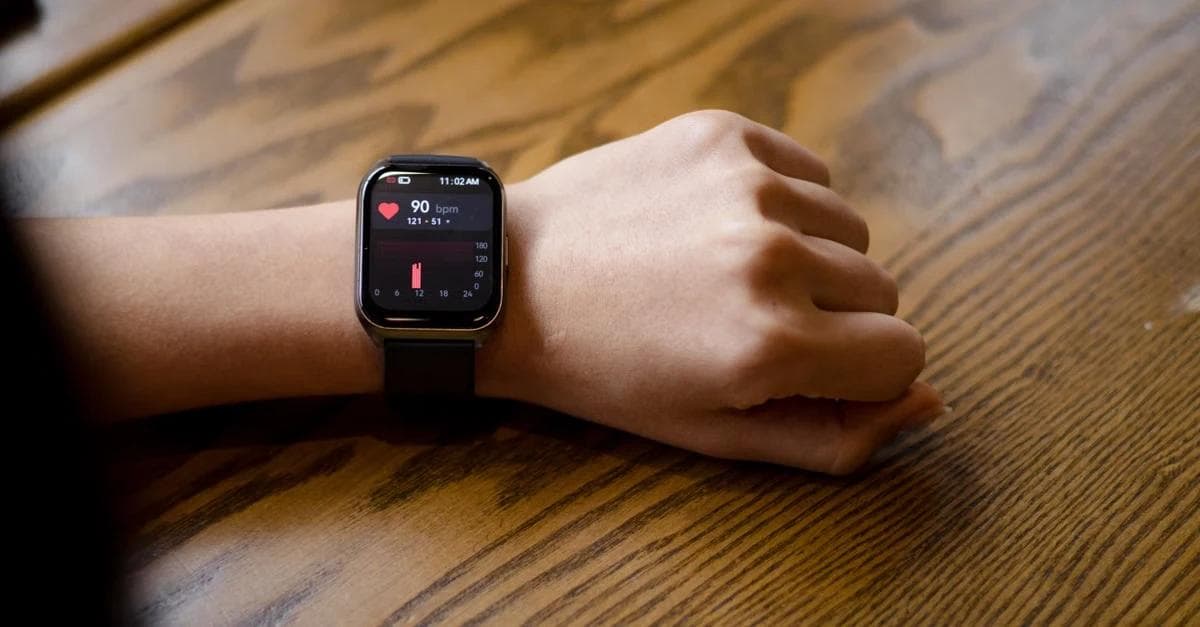
For heart failure, the core device set typically includes: a connected scale (for daily weight as a proxy for fluid retention), a blood pressure cuff, and a pulse oximeter. Some programs extend to wearables that capture heart rate and activity levels continuously, and mobile apps that allow patients to log symptoms in real time - shortness of breath, swelling, fatigue - that do not show up in biometric readings alone.
Advanced programs may also incorporate implantable sensors. The CardioMEMS device, for example, tracks pulmonary artery pressure continuously - detecting changes in intracardiac filling pressure weeks before a patient becomes symptomatic. Implantable and home device programs are complementary; a patient with an implantable sensor can still use home devices for daily weight and blood pressure.
Learn more about how remote patient monitoring works across chronic conditions, and how it fits within a broader care management strategy.
Why Remote Patient Monitoring for Heart Failure Is Clinically Essential
The clinical rationale for heart failure RPM is well-established and financially grounded. CMS has reimbursed RPM services since 2019, making cardiac monitoring both a clinical best practice and a revenue-generating investment.
- Fluid buildup: Daily weight readings flag fluid retention days before shortness of breath or edema becomes apparent. A weight gain of 2–3 lbs overnight or 5 lbs in a week is an actionable clinical signal.
- Blood pressure changes: Systolic spikes or drops appear in the data before your patient notices symptoms - and before a blood pressure crisis leads to an ER visit.
- Arrhythmia detection: New atrial fibrillation or rate changes are flagged automatically, enabling earlier rate control intervention.
- Declining oxygen saturation: A falling SpO2 reading can signal worsening pulmonary congestion early, days before respiratory distress becomes acute.
- Patient-reported symptom changes: Mobile app symptom logging captures the subjective deterioration signals - increasing dyspnea, declining exercise tolerance - that device readings alone miss.
Key Metrics Remote Patient Monitoring Tracks for Heart Failure
Effective heart failure RPM programs track a defined set of metrics - each tied to a specific physiological warning sign. The following are the standard monitoring parameters, along with the clinical rationale for each:
- Daily weight (primary indicator): The most reliable early warning sign for fluid overload. Weight gain precedes symptomatic decompensation by 3–7 days in most patients. A 2–3 lb overnight gain or a 5 lb weekly gain warrants immediate clinical follow-up.
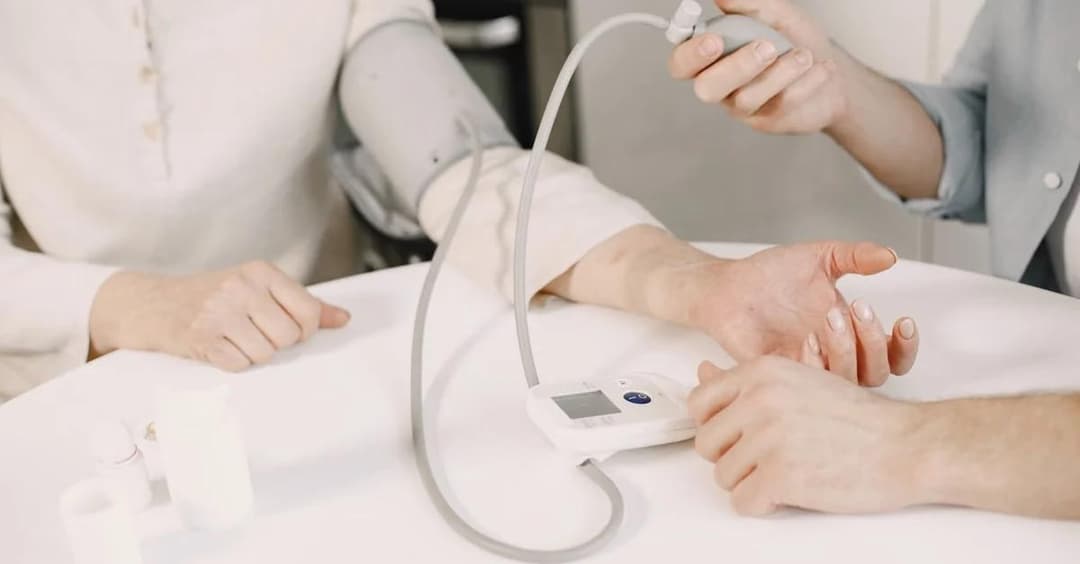
- Blood pressure: Both hypertension and hypotension are clinically significant in heart failure. Hypertension increases cardiac workload; hypotension may indicate overdiuresis or cardiogenic shock risk.
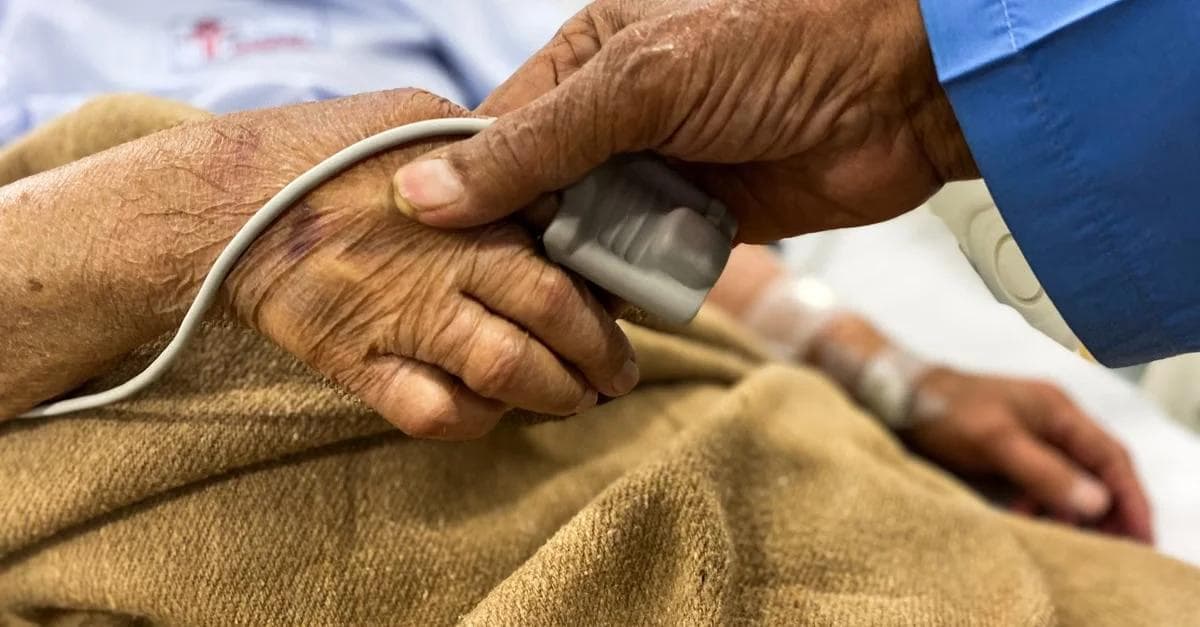
- Oxygen saturation (SpO2): A pulse oximeter tracks peripheral oxygen saturation. Declining SpO2 below 92% in a heart failure patient is an urgent signal for pulmonary congestion or decompensation.
- Heart rate and rhythm: Resting heart rate trends reveal new arrhythmias, rate-control failures, or medication effects. Wearables with ECG capabilities can detect new-onset atrial fibrillation in real time.
- Activity level: A sustained decline from the patient's personal baseline - captured via wearable accelerometer - is an early functional indicator that warrants a clinical check-in, even before biometric thresholds are crossed.
- Patient-reported outcomes: KangarooHealth's mobile app captures patient-reported symptoms alongside device readings, giving care teams a complete picture of how a patient is feeling between visits - not just what the devices show.
Clinical Alert Thresholds and Response Workflow
The programs that deliver the best outcomes are not those with the most devices - they are the ones with the fastest, most structured response to alerts. Alert thresholds are set per patient based on individual baselines, and your clinical team's response time is the most critical variable in the entire workflow.
| Column 1 | Column 2 | Column 3 | |
|---|---|---|---|
Metric | Device | Alert Threshold | Recommended Clinical Action |
Daily weight | Connected scale | +2–3 lbs overnight or +5 lbs in 7 days | Nurse call within the same business day; assess for fluid retention; consider diuretic dose review |
Systolic blood pressure | Blood pressure cuff |
| Same-day nurse review; assess symptoms; notify prescribing clinician if outside safe range |
Oxygen saturation (SpO2) | Pulse oximeter | <92% on 2 consecutive readings | Urgent escalation - notify clinician same day; assess for pulmonary congestion |
Heart rate | Pulse oximeter or wearable |
| Nurse call within hours; assess for new arrhythmia or rate change; consider EKG referral |
Patient-reported symptoms | Mobile app/symptom survey | New or worsening dyspnea, leg edema, fatigue | Nurse call within 4 hours; clinical assessment of decompensation risk |
Activity level | Wearable / accelerometer | Significant sustained drop from personal baseline | Care coordinator check-in; assess for symptom worsening or mobility decline |
Thresholds are set per patient based on individual clinical baselines. Alert parameters should be reviewed and adjusted by the clinician at each care plan update. The above represent commonly used starting points, not universal standards.
Alert fatigue is one of the most common failure modes in heart failure RPM programs. If thresholds are set too loosely, your team receives constant notifications that don't require action, and over time, stops responding to them urgently. Calibrating thresholds per patient and reviewing them regularly is essential for maintaining program integrity.
How RPM for Heart Failure Works: The End-to-End Workflow
A compliant, effective heart failure RPM program follows a defined sequence. Each step in the workflow ties to a billing code - missing a step typically means missing that month's reimbursement for that patient.
- Enroll the right patients: Prioritize patients with a recent heart failure hospitalization, active management with diuretics, or compounding risk factors like diabetes, CKD, or COPD.
- Device setup and patient education (CPT 99453): Provide the patient with a scale, blood pressure cuff, pulse oximeter, and (where appropriate) a mobile app. Walk through how to use each device, when to take readings, and who to call if something doesn't work. For older patients, this education step is as important as the device itself.
- Daily data collection (CPT 99454): Devices transmit readings automatically - ideally via cellular connection, requiring no patient Wi-Fi or smartphone. To bill 99454, the patient must generate at least 16 days of transmission data within a 30-day period.
- Clinical data review and alert management (CPT 99457/99458): Your clinical staff reviews incoming data daily, tracks trends, and acts on readings that cross thresholds. CPT 99457 requires at least 20 minutes of qualified staff time and one live interactive communication with the patient per month. 99458 covers each additional 20-minute increment.
- Rapid response to flagged readings: A flagged reading escalates to a nurse, typically within hours. The nurse calls the patient, assesses what is happening, and determines next steps - medication adjustment, same-day visit, or escalation to the cardiologist.
- Documentation in the EHR: Every reading, patient contact, and clinical action is documented in real time - not reconstructed at month-end. Complete, contemporaneous documentation supports both billing compliance and audit readiness.
Medicare Reimbursement for Heart Failure RPM
Medicare has covered RPM services since 2019. Heart failure qualifies under standard medical necessity rules - no special prior authorization is required. You bill using the standard RPM CPT codes.
| Column 1 | Column 2 | Column 3 | |
|---|---|---|---|
CPT Code | Service | Threshold | 2026 Avg. Reimbursement |
99453 | Initial device setup and patient education | One-time per patient | ~$19 |
99454 | Device supply (16+ days of data per 30-day period) | 16 days/month | ~$49 |
99457 | Clinical staff monitoring - first increment (requires live interactive communication) | 20 min/month | ~$51 |
99458 | Clinical staff monitoring - additional increment | Each +20 min | ~$40 |
* National average reimbursement at non-facility Physician Fee Schedule rates. Actual rates vary by geography and payer. Medicare pays 80%; patients owe 20% coinsurance on RPM charges.
For a 100-patient heart failure RPM panel billing 99454 + 99457 + 99458 per patient per month, the combined monthly Medicare reimbursement can reach $14,000–$18,000. That revenue accrues while your program simultaneously prevents the hospitalizations that cost multiples of that amount per event.

Clinical Evidence: What the Research Shows
The clinical case for heart failure RPM is supported by multiple large-scale trials. The key caveat in reading this evidence: program quality matters. RPM programs that collect data but respond slowly or inconsistently tend to show weaker results. The studies below all feature structured alert protocols and dedicated clinical monitoring.
| Column 1 | Column 2 | Column 3 |
|---|---|---|
Study | Design & Population | Key Outcome |
TIM-HF2 (The Lancet) | 1,571 HF patients, Germany; structured RPM vs. usual care | RPM group: 7.86 deaths/100 person-years vs. 11.34 in usual care; fewer days hospitalized |
CHAMPION Trial (The Lancet) | CardioMEMS implanted pulmonary artery pressure sensor | 28% reduction in HF hospitalizations at 6 months; 37% by study end |
Cureus Systematic Review | 65 RCTs, ~23,000 patients across HF RPM studies | 11% drop in all-cause mortality; 22% reduction in HF hospitalizations vs. usual care |
NYU Family Health Centers (NEJM Catalyst) | FQHC network RPM hypertension program | Blood pressure control rose from 68.4% to 83.0% over 2 years; 13.5/8.0 mmHg avg. reduction |
Studies selected for scale and publication quality. Results represent specific trial populations and program designs; outcomes in clinical practice will vary based on program implementation quality, patient adherence, and alert response times.
How RPM and CCM Work Together for Heart Failure Patients
Most heart failure patients are managing 2 or more chronic conditions simultaneously - hypertension, diabetes, CKD, COPD, atrial fibrillation. This makes them strong candidates for both RPM and Chronic Care Management (CCM).
RPM and CCM address complementary gaps in cardiac care:
- RPM provides continuous biometric monitoring - detecting the physiological early warning signs that precede decompensation
- CCM provides structured monthly care coordination - medication reconciliation, care plan updates, specialist handoffs, and post-discharge follow-up
Together, they give your care team more touchpoints across the month, covering both the monitoring dimension (RPM) and the coordination dimension (CCM) for patients who need both. CMS allows concurrent billing for qualifying patients, with separate time tracking for each program. See how chronic care management and remote patient monitoring work together for high-risk populations.
The benefits of CCM for heart failure patients specifically include medication adherence coaching, post-discharge follow-up that reduces 30-day readmissions, and 24/7 care access that reduces unnecessary ED visits.
Common Challenges in Heart Failure RPM Programs
Running an RPM program for heart failure takes more than just sending devices home with patients.
Here are the real obstacles you'll likely run into:
- Patient adherence drops over time: Many patients start strong but stop taking daily readings after a few months. Regular check-in calls, simple device design, and clinical staff follow-up on missed readings are the primary mitigation strategies.
- Technology barriers in older patients: Bluetooth pairing, app logins, and Wi-Fi setup create friction for patients who need simplicity. Cellular-connected devices that work out of the box - requiring no smartphone or internet - solve most of these issues.
- Alert fatigue: Loose thresholds generate excessive notifications that teams stop responding to urgently. Per-patient threshold calibration and regular threshold review are essential.
- Monitoring capacity scaling: Adding patients without adding review capacity creates a data backlog that undermines the program. White-label clinical monitoring - where a vendor's nurses review data under your brand - allows scale without proportional hiring.
- Rural connectivity: Rural patients benefit most from RPM but often have unreliable broadband. Cellular-enabled devices that transmit independently of patient Wi-Fi are the solution for rural heart failure populations.
KangarooHealth handles device procurement, patient setup, daily clinical monitoring, and EHR integration - so your team gets alerts and data without taking on administrative overhead. Most programs go live in under 2 weeks.
Schedule a demo to see how it works for your heart failure panel.

Frequently Asked Questions About Heart Failure RPM (FAQs)
Below are a few frequently asked questions surrounding remote patient monitoring for heart failure:
Is Remote Patient Monitoring Covered By Medicare For Heart Failure Patients?
Yes. Medicare has covered RPM since 2019 under CPT codes 99453, 99454, 99457, and 99458. Heart failure qualifies under standard medical necessity rules - no special prior authorization is required for this condition. Medicare pays 80% of applicable RPM charges; patients owe 20% coinsurance.
What Is The Difference Between Rpm And Implantable Cardiac Monitors For Heart Failure?
RPM uses home devices - scale, blood pressure cuff, pulse oximeter - that the patient interacts with daily. Implantable monitors like the CardioMEMS sensor are placed inside the body during a procedure and track internal pressure changes continuously, often weeks before symptoms appear. Both can be used together. An implant-equipped patient can still use home devices for daily weight and blood pressure.
What Symptoms Or Changes Trigger An Alert In Heart Failure Rpm Programs?
Thresholds are set per patient based on individual baselines. Common triggers include: weight gain of 2–3 lbs overnight or 5 lbs in a week; systolic blood pressure >160 mmHg or <90 mmHg; SpO2 <92%; heart rate >100 or <50 bpm; patient-reported new or worsening dyspnea or edema. When a reading crosses a threshold, a nurse follows up - typically the same day.
Which Heart Failure Patients Are The Best Candidates For RPM?
Best candidates include: patients recently discharged after a heart failure hospitalization; patients with NYHA Class II or III symptoms; patients managing comorbid conditions (diabetes, CKD, COPD) alongside heart failure; and patients who live far from your clinic or have difficulty attending regular appointments. RPM is a weaker fit for late-stage palliative care patients, where monitoring data would not change management.
Can RPM Replace Regular Cardiology Visits For Heart Failure Patients?
No. RPM fills the gaps between visits - providing continuous visibility into how a patient is doing at home. It cannot replace a physical exam, in-person medication review, or the clinical relationship with the cardiologist. The strongest programs treat RPM and scheduled visits as complementary, not substitutes.
Can Heart Failure Patients Enroll In Both RPM And CCM?
Yes. Most heart failure patients have 2+ comorbid chronic conditions that qualify them for CCM alongside RPM. CMS allows concurrent billing with separate time tracking. See how CCM and RPM work together for high-risk cardiac populations.
Conclusion
Heart failure patients can deteriorate rapidly between visits, and the clinical evidence is clear: daily remote monitoring with structured alert protocols and rapid clinical response reduces hospitalizations, reduces mortality, and generates measurable ROI for care teams and health systems.
The programs that deliver results combine the right devices with the right response infrastructure. KangarooHealth provides both cellular-enabled heart failure monitoring devices, a connected care platform with AI-powered analytics, and US-based clinical staff with high nurse-to-patient ratios who review data daily and respond to alerts.
Our platform has logged over 200,000 monitoring hours and contributed to a 48% reduction in adverse events across enrolled patients. Explore our remote patient monitoring services and CCM and PCM programs to see how a complete cardiac care management program works.
Schedule a demo to see how KangarooHealth supports heart failure RPM programs and to get a reimbursement projection for your specific patient panel.

Dr. Xiaoxu Kang
AuthorAs CEO and Founder of Kangaroohealth, Dr. Kang is a healthcare innovator with nearly two decades of experience in healthcare and 20+ national and international awards. She received her PhD and medical training from Johns Hopkins University.Dr. Kang, CEO and Founder of Kangaroohealth, is a healthcare innovator with nearly two decades of experience. She has received over 20 national and international awards. Dr. Kang completed her PhD and medical training at Johns Hopkins University.
Other articles you might find interesting

Medicare GUIDE Program: Eligibility, Benefits, and How It Compares to CCM
FQHC Remote Patient Monitoring: Billing, Reimbursement, and Compliance Guide

ACO REACH Program Shift to LEAD: Why RPM and CCM Matter More Than Ever