


![[Free Calculator + Breakdown] Remote Patient Monitoring Cost](/_next/image?url=https%3A%2F%2Fcdn.sanity.io%2Fimages%2Fbzncxasw%2Fproduction%2F88d827c39a7fcc1e24b7996b58cfedf39a1dcefb-1200x800.webp&w=1920&q=75)
[Free Calculator + Breakdown] Remote Patient Monitoring Cost





Author
As CEO and Founder of Kangaroohealth, Dr. Kang is a healthcare innovator with nearly two decades of experience in healthcare and 20+ national and international awards. She received her PhD and medical training from Johns Hopkins University.Dr. Kang, CEO and Founder of Kangaroohealth, is a healthcare innovator with nearly two decades of experience. She has received over 20 national and international awards. Dr. Kang completed her PhD and medical training at Johns Hopkins University.


Remote patient monitoring programs have proven effective in reducing hospital readmissions and ER visits, thereby improving outcomes and lowering the total cost of care.
If you are participating in the Medicare Shared Savings Program (MSSP), these cost reductions can contribute to shared savings. Additionally, Medicare reimburses eligible RPM services, helping offset the cost of remote patient monitoring.
This post will break down RPM launching costs and pricing models, and outline how to choose the right RPM platform to help you implement the program correctly to ensure reimbursement eligibility.
What is Remote Patient Monitoring (RPM)?
Remote Patient Monitoring (RPM) is a framework for chronic healthcare delivery that enables the remote collection and transmission of patients’ physiological data, wherever they are, including in their homes.
Unlike traditional models that require in-office visits to capture patient data, RPM can provide a consistent stream of data without burdening patients physically or financially.
You’ll need three moving parts to deliver RPM effectively:
- Connected devices: You’ll need a medical device to measure and transmit the data. Ideally, it should not require a patient-provided internet connection. So, cellular-enabled RPM devices are best.
- A remote patient care platform: To aggregate, process, and prioritize the incoming data, you need an intelligent HIPAA-compliant cloud-based platform. KangarooHealth is an intelligent cloud platform specifically built for this role.
- The clinical service: You’ll need a team to monitor the incoming data and engage with patients. You can outsource some of the clinical monitoring services to the platform provider if it has a team of nurses.
Setting up remote monitoring in this manner has several benefits, including enhanced patient engagement and satisfaction, as well as improved overall outcomes.
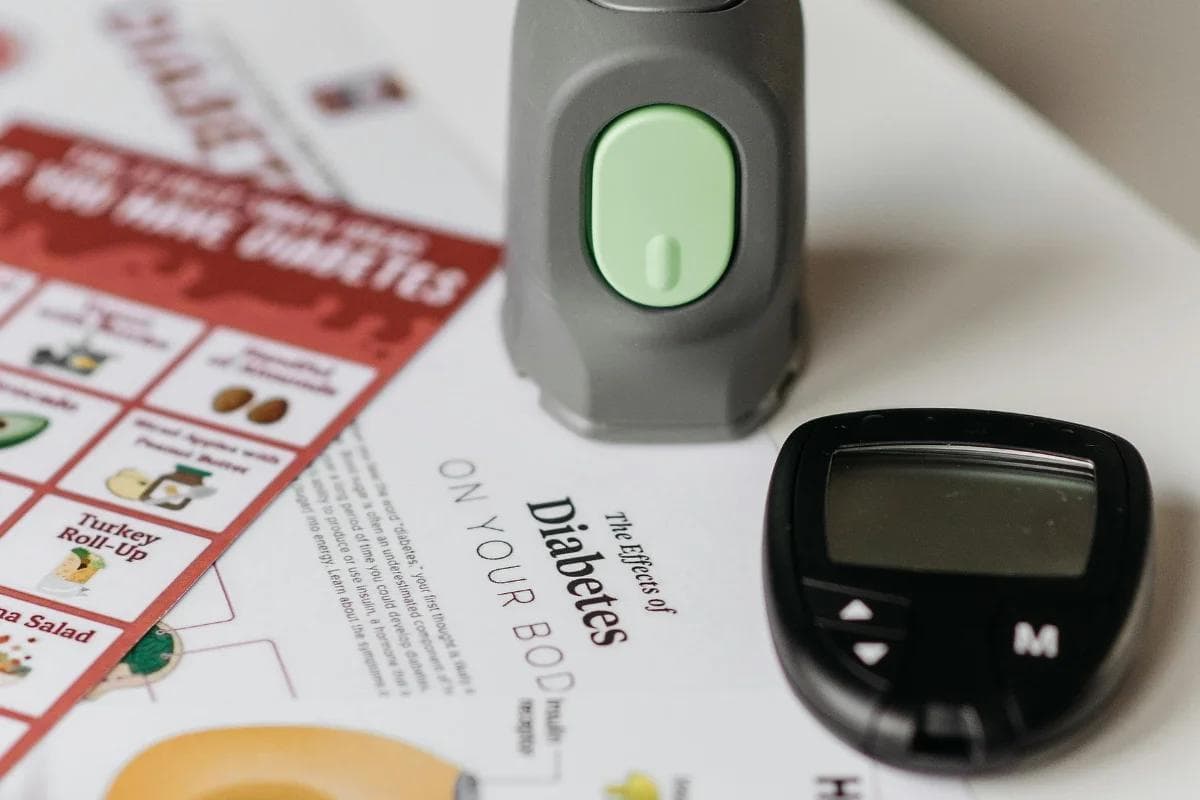
Key Factors That Influence the Cost of Remote Patient Monitoring
The costs of remote patient monitoring programs vary primarily based on their design and the chosen hardware.
Below are the three key factors that influence the cost:
- Device choice: Devices are a key cost center. Costs depend on the manufacturer and the type of connectivity. For example, cellular-enabled devices are generally more expensive than Bluetooth-enabled ones.
- Human resources: RPM requires a clinical monitoring team. You can either have the team in-house (with a salary) or outsource the function to your platform vendor, which is generally a more cost-effective option.
- Device logistics and setup: Who will handle device distribution and setup? How about patient training on device usage and maintenance? You must account for the costs of logistics and personnel hours.
Given the above factors, you must balance upfront cost considerations with long-term patient adherence and satisfaction.
For instance, if going the cellular-enabled devices route means a marginally higher initial expenditure but significantly higher compliance rates, it would be the better path.
Average Cost of Remote Patient Monitoring
Here’s how much the various components required to run a successful remote patient monitoring program cost on average:
- Platform setup and integration: Starting from $950 (one-time)
- Leasing of devices/hardware: Up to $150 per device (one-time)
- Software licensing: Up to $35 per patient monthly
- Clinical monitoring: varies based on CPT codes per patient, monthly
Spreading the above costs among different vendors can be problematic when you want to streamline operations and manage costs effectively.
At KangarooHealth, we offer all these services, so you don’t have to get your software platform from one vendor, your devices from another, and your clinical staffing from a third.
Our RPM implementation includes onboarding you onto our cloud-based solution and integrating it with your EHR. We’ll procure the devices on your behalf and distribute them to your patients. Additionally, we have a multilingual clinical team to ensure that every one of your patients receives the support they need.
Contact us today to chat with an expert and learn how you can implement RPM without the associated prohibitive upfront costs.
Remote Patient Monitoring Pricing Models
RPM vendors offer different pricing models to fit various program design and operational scales. The models will determine your initial capital outlay and ongoing costs.
Here are the most common RPM pricing models:
- Software as a Service: This involves vendors offering the software platform as the sole service. You’ll independently handle the other components of driving an RPM program, including procuring the devices. The typical pricing model is a monthly per-patient fee.
- The turnkey RPM model: This comprehensive implementation provides the software platform, handles device procurement and distribution, and supplies the necessary monitoring staff. Typically, there is no upfront cost, but the monthly per-patient fee is higher to account for the additional offerings.
Also, some vendors may offer revenue-sharing models in some regions. However, for Medicare patients, such arrangements pose compliance risks.
CMS does not allow fee splitting, especially when the billing service is tied to a single service, such as RPM, rather than the entire practice. Therefore, we advise against using a revenue-sharing model based on a percentage of RPM reimbursements.
Regardless of the model you choose, you, as the provider, must remain the clinical lead.

RPM Adoption Breakdown by Healthcare Provider Type
Primary care, specialty practices, and health systems/hospitals are the main provider categories in the healthcare landscape.
- Primary care: Primary care providers are patients’ first point of contact with the healthcare system. They offer preventive care, chronic disease management, and care coordination.
- Specialty practices: They provide specialized care for specific conditions, offering expert diagnosis and advanced treatment.
- Health systems: Large health systems and hospitals provide the infrastructure to deliver healthcare to target populations.
Depending on the type of healthcare organization, the main cost drivers of remote patient monitoring break down as follows:
| Column 1 | Column 2 | Column 3 |
|---|---|---|
Provider Type | Main Cost Drivers | Reimbursement Notes |
Primary Care | Device procurement | RPM CPT Codes |
RPM software and associated fees | Scalable to primary care providers managing a large chronic disease panel | |
Patient setup, education, and support | ||
Clinical staff time (monitoring and documentation) | ||
Specialty Practices | Specialized devices for each condition (e.g., cellular-enabled cuffs for hypertensive patients) | Intensive monitoring needs mean higher reimbursement values |
RPM software | There’s potential for bundling | |
Integration with your specialty EHR and specific workflows | ||
A more elaborate patient setup and education exercise is required | ||
Clinical staff time | ||
Health Systems/Hospitals | A highly scalable RPM platform | Design billing and documentation gathering to account for multiple specialties |
Specialized devices | Contracts for shared savings in value-based care | |
Integration with EHRs and specific workflows | ||
Patient setup and education | ||
Clinical staff time (likely centralized) | ||
Training for each relevant department |
How to Choose a Compliant and Quality RPM Solution
While cost considerations are important when selecting an RPM program, you cannot let them overshadow regulatory adherence and the day-to-day operational demands, such as user experience and clinical staffing.
To ensure quality and compliance, consider the following factors when evaluating an RPM solution:
Clinical and Staffing Quality
When using a platform that provides virtual clinical support services, you must assess the quality of the offering.
It is best to use US-based licensed nurses over call centers or non-clinical support teams. For instance, at KangarooHealth, we offer US-based registered nurses, licensed practical nurses and licensed vocational nurses.
Further, we have an above-standard staffing ratio, where one nurse monitors 125-150 patients only. It ensures that each one of your patients we monitor gets the attention they need.
Technology and Device Usability
RPM devices should be senior-friendly and be able to work with minimal setup or pairing.
You should especially prioritize usability if you serve a rural population that may not have reliable connectivity. For instance, at KangarooHealth, we solve the tech complexity of RPM by:
- Using cellular-powered devices that don’t require patient-provided internet
Maintaining the largest library of FDA-cleared and approved devices so your patients can use the hardware they are already familiar with - Running a device-agnostic platform to give us flexibility on device usage
Compliance and Regulatory Adherence
Aside from the revenue-sharing/fee-splitting concern we raised earlier, there are other compliance and regulatory factors you must consider when selecting an RPM partner.
Particularly, you want to evaluate your vendor's compliance level by looking into:
- Whether they guarantee patient consent documentation
- If they verify insurance eligibility before doing enrollment
Also, consider using a vendor with time tracking features with billing- and audit-readiness baked in.

Frequently Asked Questions (FAQs)
Before concluding, let’s answer some common questions about the cost of remote patient monitoring:
How Often Do Remote Patient Monitoring Devices Need Replacement?
Many RPM devices are designed to last 2 to 5 years.
As a general rule, you should replace an RPM device around the two-year mark to ensure accuracy.
Are There Free or Low-Cost RPM Tools Available?
It’s unlikely that you’ll find free medical-grade RPM devices.
However, you can roll out RPM programs with no upfront cost using a turnkey RPM implementation model.
How Do Remote Patient Monitoring Costs Differ Internationally?
The costs vary widely due to implementation models and payer terms.
For instance, in the United States, Medicare reimburses providers directly for eligible RPM services. In contrast, the German government pays the RPM software vendor directly under a “zero-cost” model for the provider.
What is the difference between Hospital-at-Home and Remote Patient Monitoring?
RPM focuses on monitoring patients with long-term chronic conditions (diabetes, hypertension, etc.) using connected devices that can transmit physiological data in near real-time. It allows clinical teams to address adverse trends in a timely manner to reduce hospitalizations.
The Hospital-at-Home model is deployed for a short-term duration during the acute phase of a disease when a patient is stable enough to receive care at home but is still at risk. It is typically used for conditions like Pneumonia and COVID-19.
Conclusion
Remote patient monitoring requires significant financial, technical, and staffing resources to roll out. However, national average reimbursement rates are increasing, almost guaranteeing that all providers can cover the additional operational cost.
Additionally, with the right implementation model, you can roll out RPM without incurring the upfront cost. At KangarooHealth, we offer a turnkey implementation that includes a robust RPM platform, device procurement and distribution, staff and patient training, and multilingual nurses for clinical monitoring.
Contact us today to speak with an expert and discover how to launch RPM cost-effectively. We’ll provide you with insights into real-world costs, reimbursement data, and expected patient outcomes.

Dr. Xiaoxu Kang
AuthorAs CEO and Founder of Kangaroohealth, Dr. Kang is a healthcare innovator with nearly two decades of experience in healthcare and 20+ national and international awards. She received her PhD and medical training from Johns Hopkins University.Dr. Kang, CEO and Founder of Kangaroohealth, is a healthcare innovator with nearly two decades of experience. She has received over 20 national and international awards. Dr. Kang completed her PhD and medical training at Johns Hopkins University.
Other articles you might find interesting
What is Connected Care and Why Healthcare is Moving Toward It
8 Best Care Coordination Platforms: Features, Benefits, and Use Cases
RTM vs. RPM Explained: Which is the Right Monitoring Model for Patient Care?