

What is Connected Care and Why Healthcare is Moving Toward It




Author
As CEO and Founder of Kangaroohealth, Dr. Kang is a healthcare innovator with nearly two decades of experience in healthcare and 20+ national and international awards. She received her PhD and medical training from Johns Hopkins University.Dr. Kang, CEO and Founder of Kangaroohealth, is a healthcare innovator with nearly two decades of experience. She has received over 20 national and international awards. Dr. Kang completed her PhD and medical training at Johns Hopkins University.


For many years, healthcare delivery was largely clinic-based and reactive.
It was a big problem, as you couldn’t continuously monitor your patients’ vitals nor facilitate real-time interventions to prevent clinical deteriorations.
Connected care can now help you bridge this gap by continuously synchronizing your care team with your patients, no matter where they are.
This post explains what connected care is, how it works, and how to find the right technology vendor to help you implement it effectively.
What is Connected Care?
Connected care is the use of technology to provide continuous patient-centered healthcare services.
It is a highly coordinated, data-driven model that can help you address or better manage several structural issues, including fragmentation of care, provider burnout, a rising chronic disease burden, and poor data interoperability.
Some of the key goals of connected care are to ensure:
- Care continuity: It ensures care doesn’t stop when the patient leaves your clinic. You can remotely monitor vitals, encourage greater engagement/adherence, and intervene early when signs of deterioration appear.
- Information continuity: It helps unify health records, creating a single source of truth for each patient. Your entire care team, as well as specialists you refer the patient to, can access the same comprehensive real-time dataset.
Connected Care vs. Traditional Healthcare Models
How do connected care and traditional healthcare models compare? Below are some of the key distinctions:
- Proactivity: While traditional healthcare models are reactive and episodic, connected care is proactive and continuous.
- Data sharing: Data in traditional care is siloed and stays in the office. In connected care, data systems are interoperable, and you can share data across the healthcare ecosystem.
- Patient visibility: Traditional care has limited visibility because you cannot monitor patients at home. Connected care closes this gap, providing systems for real-time monitoring and continuous engagement.
How Connected Care Works
To implement connected care properly, your operational workflows should account for data capture and transmission, analysis and alerts, and care team action.
Data Capture and Transmission
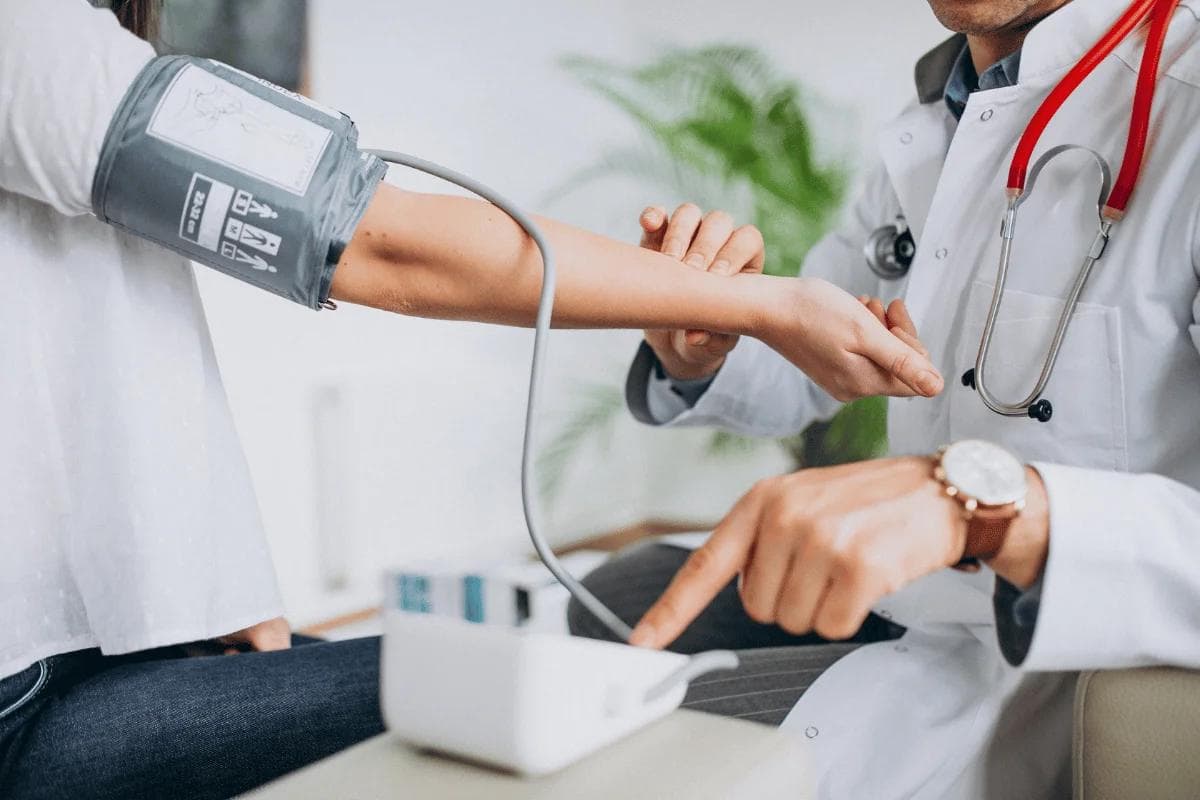
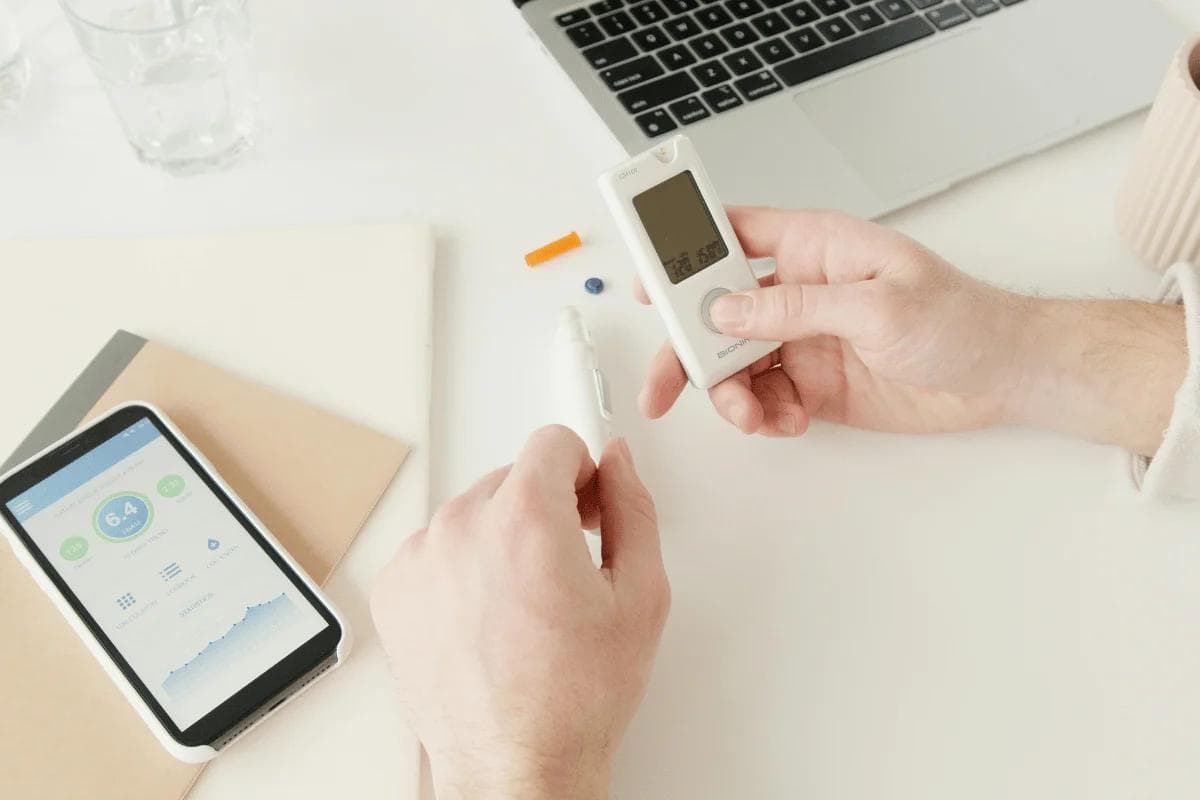
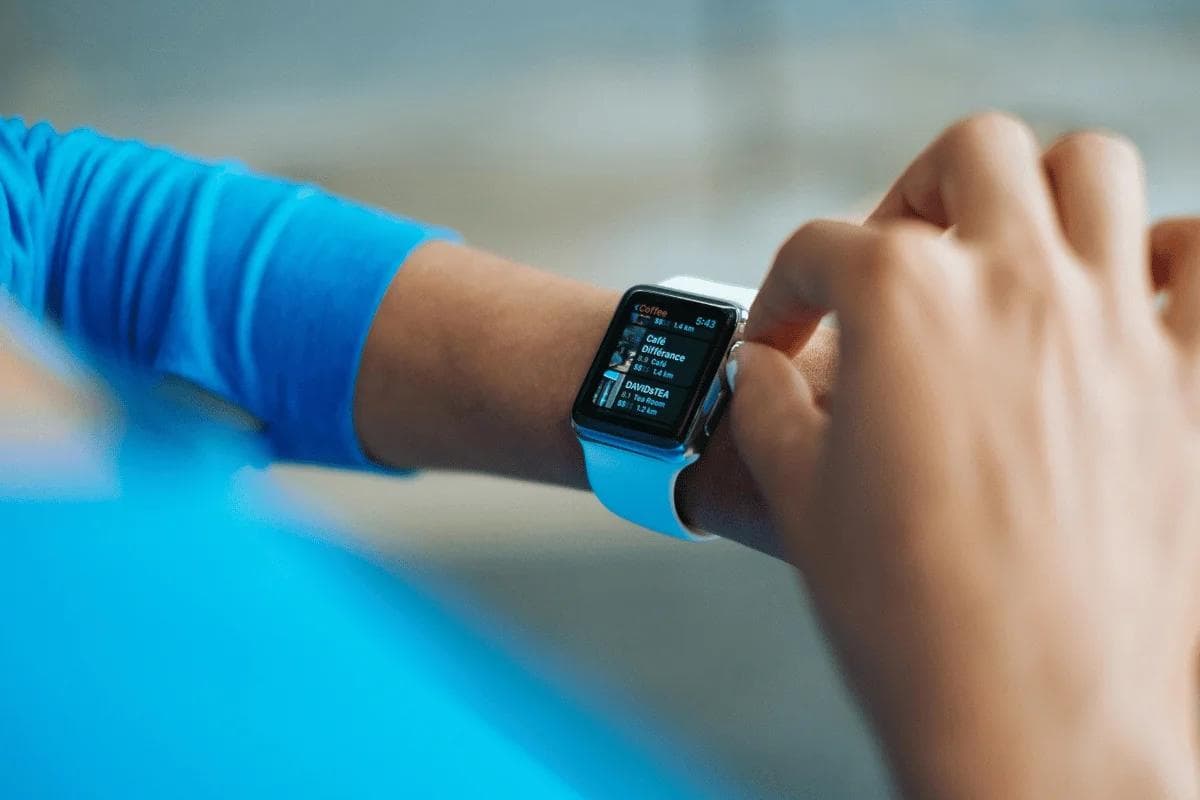
When you need to continuously monitor patient vitals, you can use connected devices to capture and transmit your patients’ physiological data remotely.
For instance, under a Remote Patient Monitoring (RPM) for hypertension program, you can use the following connected devices:
- Cellular-enabled cuffs
- Bluetooth-enabled cuffs
- Wi-Fi-enabled cuffs
- Wristbands or patches using optical sensors to measure blood pressure
Once the data is captured, it has to be transmitted to a central portal. There are turn-key cloud-based platforms you can use to centralize, organize, and activate the data.
KangarooHealth’s technology solutions provide a device-agnostic connected care platform that supports over 50 chronic conditions with customizable care pathways.
Using our connected care platform gives you access to the industry’s largest library of FDA-cleared/approved connected devices. Being senior- and rural-friendly, our user-friendly ecosystem ensures 85-92% patient compliance, nearly double the industry average of 53%.
Data Analysis and Alerts
You need a way to make sense of the incoming data. Many platforms now leverage AI and clinical algorithms to analyze different data types to provide a complete picture of each patient.
Moreover, these algorithms can analyze trends and spot when a patient’s vitals are deviating from the norm. The platform can then alert your team to attend to the patient early and prevent further deterioration.
For instance, KangarooHealth’s AI-powered data/predictive analytics and advanced EMR integrations allow you to do the following:
- Customize risk stratification based on individual patients and patient populations using your unique clinical protocols.
- Feed patient data and alerts into the EMR/population health software on demand, daily, so you have complete visibility in your EMR.
- Add new care pathways and monitoring metrics on demand, expanding RPM, RTM, CCM, and PCM monitoring beyond the 50+ chronic conditions our platform currently covers.
Care Team Action or Intervention
The data analysis and alerts empower your care team to deliver timely, responsive interventions. These responsive actions could include:
- Reaching out to the patient via SMS, in-app messaging, etc.
- Getting on a telehealth consultation.
- Adjusting the patient’s medication.
- Escalating the situation to in-person care.
The continuous feedback loop of ongoing monitoring, parameter tracking, and care plan adjustments can significantly improve outcomes.
Worried that all these tasks may overburden your staff?
Don’t worry. You don’t have to rely solely on your in-house staff to implement connected care.
At KangarooHealth, we offer remote clinical support services with multi-lingual nurses to help you scale clinical monitoring. The team consists of registered nurses, licensed practical nurses, and licensed vocational nurses.
With each nurse monitoring only 125 to 150 patients, we ensure each patient gets the attention they need. It’s one of the reasons we achieve 85-92% patient compliance.
We also handle staff and patient training, as well as device procurement and distribution.
Contact us today to speak with an expert and see how implementing connected care using our platform, devices, and clinical support services can transform your practice.
Key Benefits of Connected Care
Rolling out connected care can have a transformative effect on both your practice and patients.
Let’s explore the top 3 benefits reported by providers who have made the transition:
Significantly Better Clinical Outcomes
A growing body of evidence shows that connected care can significantly improve patient outcomes across the board. Specifically, it supports superior management of chronic diseases and drastically helps reduce hospitalizations and readmissions.
For instance, a year-long study of Medicare patients evaluating the effect of RPM on stage 2 hypertension found the following:
- RPM was linked to a 75% reduction in stage 2 hypertension within 12 months.
- Even the patients who still had stage 2 hypertension recorded a statistically significant reduction in mean and median blood pressure.
Also, in another study evaluating whether telemonitoring can help lower hospitalizations, the odds of 30-day and 90-day readmissions for the patients under telemonitoring were 44% and 38% lower, respectively.
Notably Lower Cost of Care
Hospitalizations and readmissions are major cost drivers in the healthcare ecosystem. Since connected care can help reduce them, the resultant effect is lower costs for you, your patients, and payors.
For instance, in the above study, where there was a significant reduction in readmissions for the telemonitoring group, these reductions translated into approximately 11% cost reductions for the payor.
Also, a Medicare-commissioned study of its Chronic Care Management (CCM) program found that patients under CCM:
- Used emergency room services less often.
- Recorded significantly lower hospitalization rates.
- Cost Medicare $95 less per month (excluding those who received only 1 month of CCM) than patients not receiving CCM.
Enhanced Patient Accountability
You can expect higher engagement and adherence when you involve your patients as active participants in their healthcare journey through connected care tools.
These tools can help drive higher patient accountability by:
- Using AI to send context-aware alerts, e.g., nudging physical activity if the patient has been stationary for a long time.
- Providing real-time biofeedback, e.g., a diabetic patient monitoring their blood glucose levels, can see in real-time how various types of meals affect their readings.
- Using gamification and visual progress tracking to help a patient stick to a plan or healthy routine.
- Sustaining the human connection in care using short video call check-ins.

How KangarooHealth Enhances Providers’ Brand Identity and Patient Satisfaction
KangarooHealth can help you elevate care delivery with our connected care platform and devices, significantly transforming the patient experience at your clinic.
We achieve this by:
- Helping you give your patients greater visibility into their data and care plans, which helps establish trust.
- Giving you the tools to establish yourself as a proactive healthcare provider who goes the extra mile to serve your patients.
- Creating an environment where patients are active participants in their healthcare journey, resulting in 85-92% compliance rates.
- Managing device procurement/distribution and patient training on your behalf to ensure every participating patient is fully equipped for success.
- Providing broad device support (e.g., smart BP monitors, smart pillboxes, smart glucometers, and smart scales) with zero-interest installment plans and no upfront costs.
- Giving you the tools to offer your chronic patients living in remote rural areas the convenience of skipping routine in-person checks, which alleviates a major logistical and financial burden.
The above interventions, along with other patient-centered remote care services KangarooHealth offers, can significantly enhance patient satisfaction and loyalty to your clinic.
In fact, clinics using our white-labeled connected care services report an 8-10 out of 10 Net Promoter Score, indicating that they are highly likely to recommend KangarooHealth to their friends and colleagues.
Key Components of Connected Care
Implementations of connected care vary widely based on clinical focus and characteristics of the patient population.
Still, these are the key aspects that are essential in a typical implementation:
- Connected devices for capturing and transmitting physiological data remotely.
- Telehealth platforms for aggregating the data and supporting clinical decisions.
- Artificial intelligence for predictive modelling to mitigate adverse events.
- Health information exchanges for sharing information/data across the ecosystem.
Connected Care Use Cases in Healthcare
Connected care has diverse clinical applications.
You can use the associated tools and programs in the following areas of healthcare:
- Supporting value-based care: Connected care aims to improve patient outcomes, which is aligned with value-based care. Value-based care ties reimbursement to the quality of patient outcomes rather than the volume of services provided.
- Chronic disease management: It provides the tools to enable long-term stability for chronic diseases like diabetes, hypertension, and COPD. You can use remote patient care platforms to roll out programs like RPM, CCM, and Principal Care Management (PCM).
- Post-operative recovery: Connected care can give you the tools to track a patient’s progress post-operation and to catch infections early. Some of the connected devices used in this area include smart biosensors, biometric patches, and motion sensors.
Challenges in Implementing Connected Care Solutions
With the right implementation partner, you’ll sidestep most of the common hurdles in the implementation of connected care.
That said, it still helps to be aware of the following common challenges:
- Interoperability: When you have to procure both hardware and software, it can be a problem, as some manufacturers aim to lock customers into their own ecosystems. We solved this problem by building a device-agnostic platform that can work with many popular devices.
- Patient and staff training: There’s a learning curve to using connected care tools properly. Time spent on patient and staff training can take time away from actual patient care. To solve this, you can work with a vendor that has ready training resources and offers fully managed onboarding and training.
The Future of Connected Care
What will connected care look like in the future?
Here are some of the key factors we see shaping connected care going forward:
- AI and predictive analytics: AI will play an increasingly bigger role in trend analysis and in designing escalation protocols. Particularly, it will help identify micro-trends that humans might miss.
- Hospital-at-home shift: Increased connectivity and biosensors will make home-based healthcare delivery more feasible for non-intensive, non-surgical care. It will help reduce the cost of care significantly.

Frequently Asked Questions (FAQs)
Let’s now answer some of the common questions we get about connected programs and services:
Is Connected Care the Same as Digital Health?
No, digital health is the umbrella term for the use of digital technology to deliver healthcare.
Connected care specifically uses the technologies to ensure that providers are always in the loop regarding a patient’s care plans and real-time physiological data.
How Long Does It Take to Implement Connected Care Systems?
Implementation time varies widely depending on the clinical focus, size of practice, and the capacity of the vendor.
At KangarooHealth, we can help you roll out connected care for chronic disease management in under two weeks.
Is Connected Care Suitable for Rural Healthcare Systems?
Yes, it is particularly valuable in rural healthcare.
Many rural areas suffer from a shortage of providers. While nearly 20% of the nation’s population lives in rural areas, only 10% of physicians practice there.
Connected care can help solve this rural healthcare crisis by reducing the need for in-person care and by increasing patient visibility through remote monitoring and engagement.
How Secure is Data in Connected Care Platforms?
Most connected care platforms are HIPAA-compliant.
For data security, the typical platform employs multiple guardrails, including patient-consent capture, role-based access controls, multi-factor authentication, and data encryption.
Conclusion
With an aging population and a rising chronic disease burden, you can no longer rely solely on the traditional models of care. The current reality requires you to remove the physical barriers in your clinic so you can attend to your patients wherever they are.
It’s especially vital if you have seniors with chronic conditions, for whom the physical and logistical strain of frequent in-person clinic visits can be a significant burden.
At KangarooHealth, we help providers implement connected care for chronic conditions, replacing some of the burdens of in-person-only chronic care with remote oversight, monitoring, and engagement.
Contact us today to speak with an expert and get a free demo of our all-in-one connected care platform.

Dr. Xiaoxu Kang
AuthorAs CEO and Founder of Kangaroohealth, Dr. Kang is a healthcare innovator with nearly two decades of experience in healthcare and 20+ national and international awards. She received her PhD and medical training from Johns Hopkins University.Dr. Kang, CEO and Founder of Kangaroohealth, is a healthcare innovator with nearly two decades of experience. She has received over 20 national and international awards. Dr. Kang completed her PhD and medical training at Johns Hopkins University.
Other articles you might find interesting
[Free Calculator + Breakdown] Remote Patient Monitoring Cost
8 Best Care Coordination Platforms: Features, Benefits, and Use Cases
RTM vs. RPM Explained: Which is the Right Monitoring Model for Patient Care?