


Digital Care Management Explained: Benefits, Use Cases, and More




Author
As CEO and Founder of Kangaroohealth, Dr. Kang is a healthcare innovator with nearly two decades of experience in healthcare and 20+ national and international awards. She received her PhD and medical training from Johns Hopkins University.Dr. Kang, CEO and Founder of Kangaroohealth, is a healthcare innovator with nearly two decades of experience. She has received over 20 national and international awards. Dr. Kang completed her PhD and medical training at Johns Hopkins University.


If you want to deliver high-touch care to your patients, especially under value-based care models, digital care management systems are no longer just a nice-to-have. They are proving to be essential infrastructure for modern healthcare.
Providers, regulators, and payers are already aligned on this matter, with Medicare lending significant support to technology-supported care services.
In this post, we will explore how digital care management works and how to choose the best vendor to help you roll it out in your practice.
What is Digital Care Management?
Digital care management is the use of integrated technology solutions to coordinate and deliver care across both traditional and nontraditional care settings.
Providers leverage a mix of software and hardware tools to multiply their staff’s capabilities. Integration is essential to ensure every relevant caregiver has a complete, 360° view of each patient’s information and data.
Also, you don’t have to rely solely on your own staff for care coordination because you can deliver care outside traditional settings. Digital solutions now enable the use of virtual care teams, with some vendors offering comprehensive clinical support services.

Benefits of Digital Care Management
Digital care management helps providers running value-based care models to streamline operations without sacrificing patient outcomes.
Let’s explore some of the common benefits:
Significantly Better Patient Outcomes
There’s growing evidence that digital care management for chronic diseases significantly improves patient outcomes.
For instance, the Veteran Health Association reported the following on the effectiveness of a program managing diabetes with Remote Patient Monitoring (RPM):
- ER visits dropped by 11%
- Hospitalizations reduced by 50%.
- The number of average bed days dropped by 3 days.
In another study evaluating whether telemonitoring reduces hospitalizations and care costs, the odds of 30-day and 90-day readmissions in the telemonitoring group were 44% and 38% lower, respectively.
Greater Operational Efficiency for Your Practice
According to the American Hospital Association, outpatient volumes are projected to increase 18% by 2035, with home-based services rising 32%.
Digital care management can help you meet the demand without increasing your operational or administrative burden by:
- Automating billing documentation so you can focus on actual patient care.
- Reducing call volume to your front desk by assigning patients to dedicated care coordinators.
- Facilitating effective provider collaboration under programs like Chronic Care Management (CCM), eliminating the need to take on roles that you can hand off to other specialists.
- Enhancing decision-making by providing risk-stratified data so you can reach out quickly to patients who need urgent attention.
You can also leverage digital tools to deliver educational materials to your patients efficiently. The increased health literacy can translate into higher patient engagement and adherence.
Key Technologies in Digital Care Management
The technologies used in digital care management aren’t static because the field evolves alongside emerging technologies.
The key technologies currently seeing widespread adoption are:
- Integrated remote care solutions: Integrated connected care tools power remote care programs. For instance, KangarooHealth automates data and time tracking for RPM, CCM, and RTM through an integrated platform, enabling you to scale value-based care without increasing your administrative overheads.
- AI and data analytics: Predictive analytics is helping identify potential adverse events before they escalate, enabling proactive intervention.
- AI for hybrid healthcare: Providers are using AI-powered tools to streamline in-clinic and field operations. For example, ambient listening enables automatic transcription of field visits.
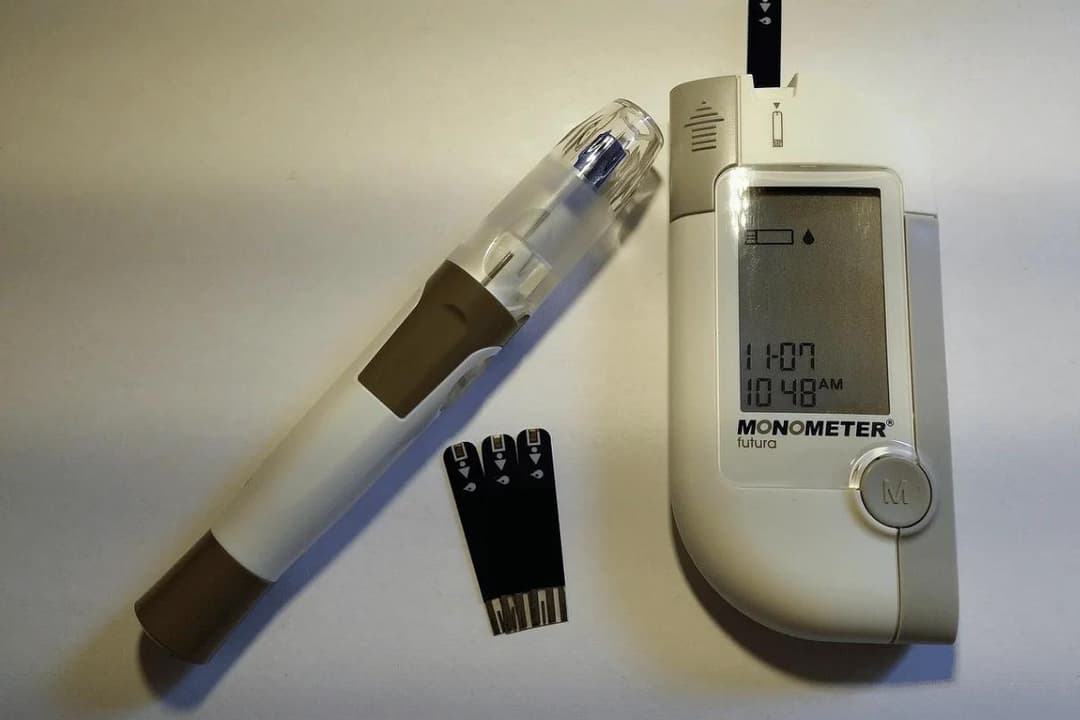
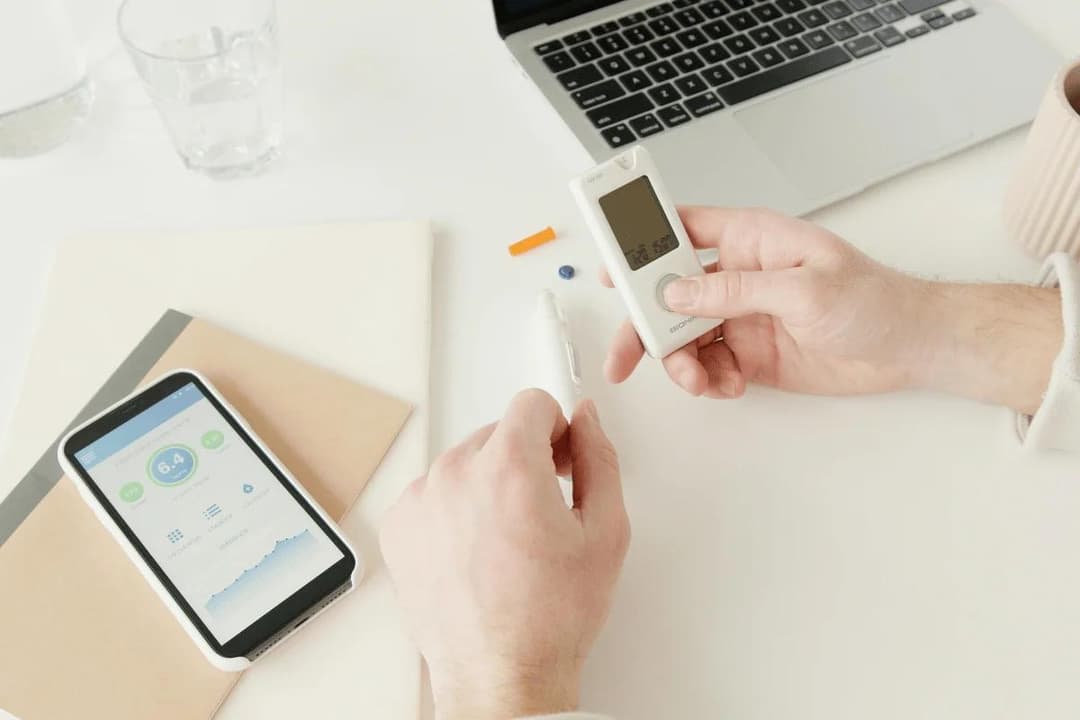
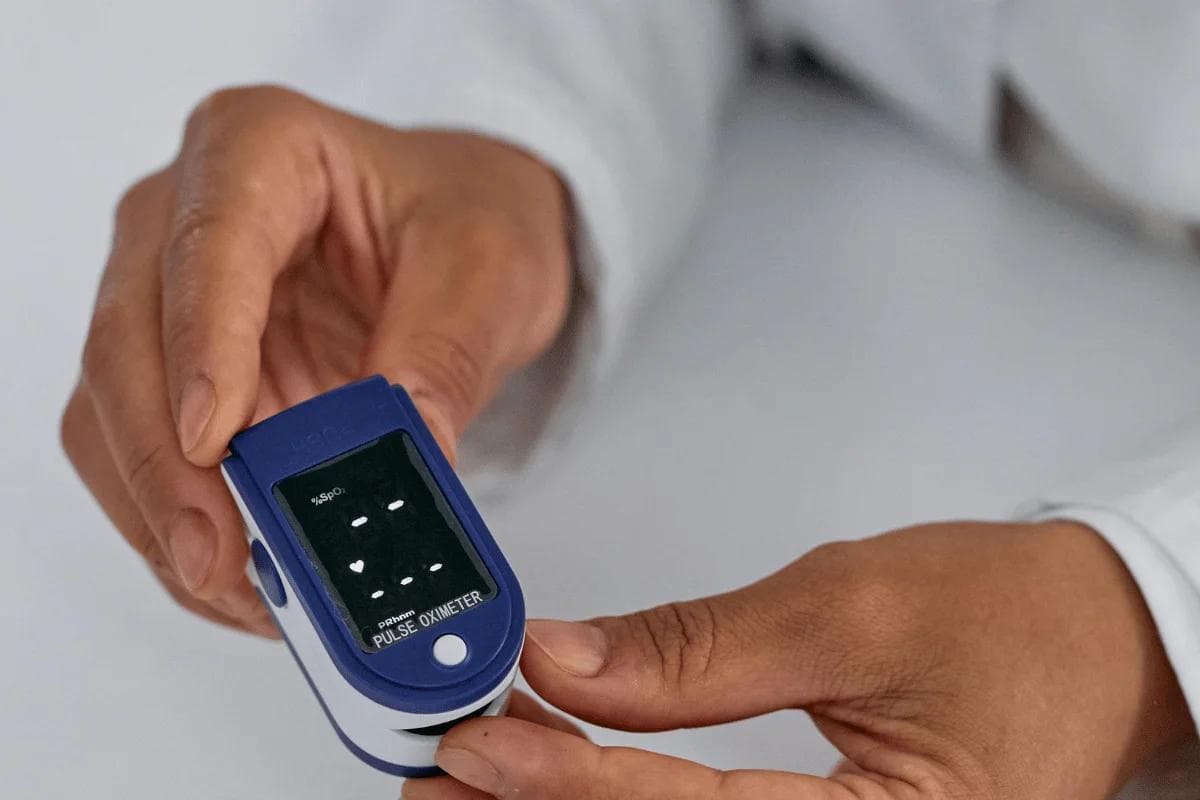
- Medical-grade wearables: There are devices that automatically measure and transmit vitals, such as blood glucose levels. Examples include cellular glucometers, blood pressure cuffs, and heart rate monitors.
- Cloud-based platforms: Digital care management leverages these platforms to aggregate data, orchestrate real-time data, facilitate interoperability, and conduct population-wide risk analysis.
- Security by design: Because patient data is involved, these technologies must be HIPAA-compliant. As such, vendors leverage security features such as encryption, multi-factor authentication, and role-based access controls.
How Digital Care Management Works
Digital care management utilizes technology to support care delivery and coordination. Generally, you can leverage it to deliver the following programs:
- Remote patient care programs to extend care beyond the clinic walls through services such as RPM and CCM.
- Telehealth and virtual nursing to strengthen care coordination and patient engagement/adherence without hiring additional staff.
The execution of such programs typically involves the following workflow:
- Patient identification and enrollment: While digital tools can help you identify eligible patients for a particular program, your active involvement, along with the patient’s consent, is often required.
- Onboarding and device distribution: Onboard patients into the program and provide adequate patient and staff education to ensure program success. Where devices are required, as is the case with RPM, procure, distribute, and set them up.
- Continuous data collection and/or coordination: Automate data collection and streamline care coordination. Also, track time and clinical activity using a digital platform with integrated documentation features.
- Real-time alerts: Generate alerts to inform/remind patients about their care plan and upcoming appointments. You may also want to set up tiered alerts to prioritize interventions effectively.
- Outcome tracking: Generate data-driven reports to track each patient’s progress toward desired outcomes.
The programs’ workflow also accounts for clinical interventions.
Depending on the program, you can design such interventions to be data-driven (e.g., elevated blood pressure in RPM), scheduled (e.g., monthly check-ins in CCM), or telehealth-led (e.g., virtual nurse triage).
How to Choose the Right Digital Care Management Software
You should look at software vendors as strategic partners, as their experience and capabilities will directly impact the success of your digital care management program.
Here are some of the factors to consider when choosing a platform:
- Scalability: Are you a small practice or a large hospital? The platform should scale to meet your facility's resource and population needs.
- User experience: The software should be easy to use, especially for senior populations who may not be tech-savvy. Also, for connected devices, ensure they support multi-carrier cellular connectivity so patients can use them out of the box without pairing via Bluetooth/Wi-Fi.
- Seamless integration: To avoid creating data silos, the digital care management software should integrate with your EHR so you can share information/data across different platforms.
- Time to launch: Vendors offering turnkey implementations with customizable templates are best, as they ensure you can launch in weeks rather than months.
- Clinical expertise and staffing model: You want a platform built by an experienced team that deeply understands the current healthcare landscape. Also, if you want to outsource some clinical monitoring/engagement services, a vendor offering white-labeled clinical staffing would be ideal.
- Compliance and billing management: Manual documentation is time-intensive and can divert resources from patient care. Instead, use a platform with built-in compliance and billing automations that can create audit-ready documentation.
Also, check that you can customize the software to fit your existing workflows because it ensures a non-disruptive implementation.
KangarooHealth is a remote patient care platform that supports over 50 chronic conditions with customizable care pathways.
We provide a robust cloud-based platform for those looking to roll out Remote Patient Monitoring, Chronic Care Management, Principal Care management (PCM), Remote Therapeutic Monitoring (RTM), Advanced Primary Care Management (APCM), and Guiding an Improved Dementia Experience (GUIDE).
With KangarooHealth, you get:
- A patient-centric platform design focusing on patient experience and engagement.
- A device-agnostic platform that lets you and your patients use the hardware you already know.
- Comprehensive clinical support services with multi-lingual nurses, so you don’t have to hire additional staff to roll out remote patient care.
- Real-time analytics and decision support tools.
Also, we offer a turnkey implementation that includes patient training and onboarding, as well as device procurement and distribution.
Contact us today to speak with an expert and learn how our platform, devices, and workflows can fit your specific setting.
Best Practices for Implementing Digital Care Management
The design and implementation of your digital care management program will significantly impact clinical outcomes and overall operational efficiency.
Here are some industry best practices to ensure long-term program success:
- Patient-centric program design: Structure the program to account for your patients' unique needs and realities. For instance, if you are in a rural area with unreliable connectivity, it makes sense to use cellular-powered devices that don’t need patient-provided internet.
- Turnkey implementation: Prioritize digital care management platforms with vendor-led implementations and onboarding. A turnkey implementation saves you from handling the technical heavy lifting, such as device procurement/setup and patient onboarding, which can take time away from actual patient care.

Frequently Asked Questions (FAQs)
Let’s now answer some common questions about digital care management:
How Long Does It Take to Implement Digital Care Management Systems?
The speed of implementation depends on the program, the vendor, and the scale of your operations.
With KangarooHealth, you can go live in under 2 weeks.
What Are Common Mistakes When Adopting Digital Care Management?
Some of the common mistakes when adopting digital care management include:
- Solely relying on your existing staff for remote support, thereby spreading them thin.
- Not designing the platform to prioritize alerts, leading to alert fatigue.
- Handing devices to patients without adequate training on device handling, use, and maintenance.
- Choosing a digital care management platform that can’t integrate with your primary EHR.
Can Digital Care Management Reduce Hospital Readmissions?
Yes, elevating care delivery through digital care management can reduce readmissions. Your team will have greater visibility into your patients’ conditions, enabling earlier intervention before symptoms escalate.
As mentioned earlier, in a study evaluating whether telemonitoring reduces hospitalizations and care costs, the researchers found that the odds of 30-day and 90-day readmissions in the telemonitoring group were 44% and 38% lower, respectively.
What Are the Costs Associated With Digital Care Management Platforms?
The main cost drivers are software licensing fees, device costs, and clinical staff time.
KangarooHealth does not charge any upfront fee, meaning you can get started without the burden of a large initial investment. Also, Medicare reimburses eligible services for programs such as RPM and CCM, helping you offset ongoing costs.
Conclusion
Digital care management tools can help you build a bridge between your clinic and your patients’ homes.
The increased connectivity is unlikely to increase your workload, though. Properly implemented, you’ll actually spend more high-value time with your patients during in-person visits.
At KangarooHealth, our implementations include trend analysis features and tailored escalation protocols, saving you hours in manual reviews that could otherwise divert time from direct care.
We’ve helped numerous providers across the nation design and implement digital care programs for patients with chronic conditions. We provide an all-in-one platform that supports 50+ chronic conditions and that you can use to roll out Medicare-reimbursable programs like RPM and CCM.
Contact us today to speak with an expert and get a free demo of our all-in-one platform.

Dr. Xiaoxu Kang
AuthorAs CEO and Founder of Kangaroohealth, Dr. Kang is a healthcare innovator with nearly two decades of experience in healthcare and 20+ national and international awards. She received her PhD and medical training from Johns Hopkins University.Dr. Kang, CEO and Founder of Kangaroohealth, is a healthcare innovator with nearly two decades of experience. She has received over 20 national and international awards. Dr. Kang completed her PhD and medical training at Johns Hopkins University.