

Remote Patient Monitoring Chronic Disease Management Guide





Author
As CEO and Founder of Kangaroohealth, Dr. Kang is a healthcare innovator with nearly two decades of experience in healthcare and 20+ national and international awards. She received her PhD and medical training from Johns Hopkins University.Dr. Kang, CEO and Founder of Kangaroohealth, is a healthcare innovator with nearly two decades of experience. She has received over 20 national and international awards. Dr. Kang completed her PhD and medical training at Johns Hopkins University.


Medication non-adherence, undesirable lifestyle choices, and socioeconomic factors present a significant challenge to delivering care. For instance, a report by the World Health Organization (WHO) indicated that nearly 50% of patients fail to take their medications as prescribed. That’s why, if you want to achieve better outcomes in chronic care, you must extend support beyond the clinic walls to mitigate these patient-related barriers.
You can roll out such support by leveraging a Remote Patient Monitoring (RPM) program.
This post explores how remote patient monitoring and chronic disease management work, their benefits, and how to implement them effectively in your healthcare organization.
How Remote Patient Monitoring Systems Work?
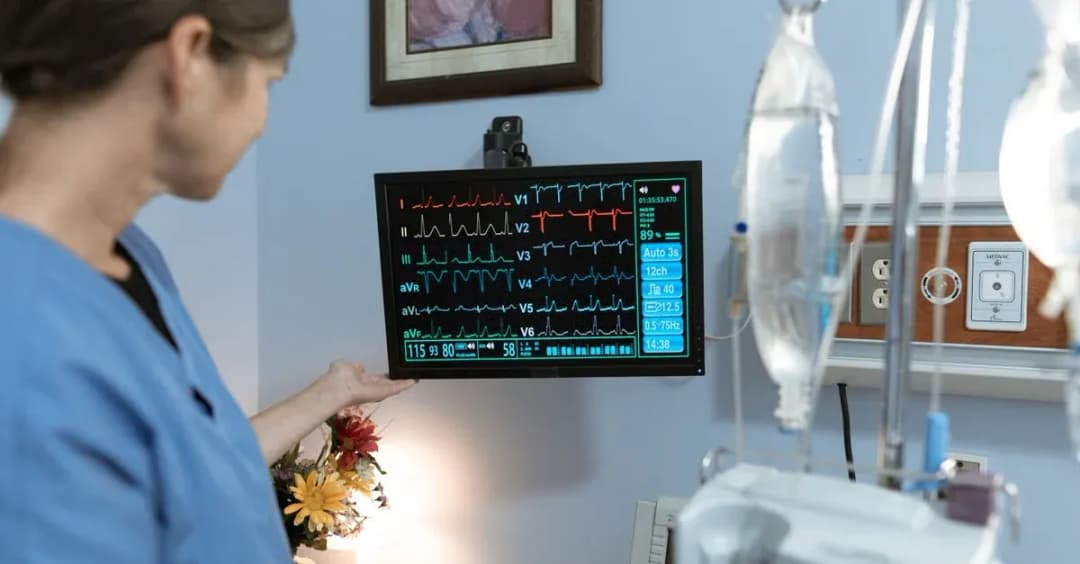
Remote Patient Monitoring systems utilize technology to track patients’ health data outside of traditional clinical settings. The increased visibility can help you deliver chronic care more proactively and responsively.
You’ll typically have to account for the following when rolling out an RPM program:
- Data collection
- Data transmission
- Data aggregation
- Clinical review and intervention
Let’s discuss them in more detail below:
Data Collection with RPM Devices
RPM systems depend on continuous acquisition of physiological data. To accomplish this, you provide your patients with connected medical devices that automatically measure vital signs and other metrics.
Examples of such devices include:
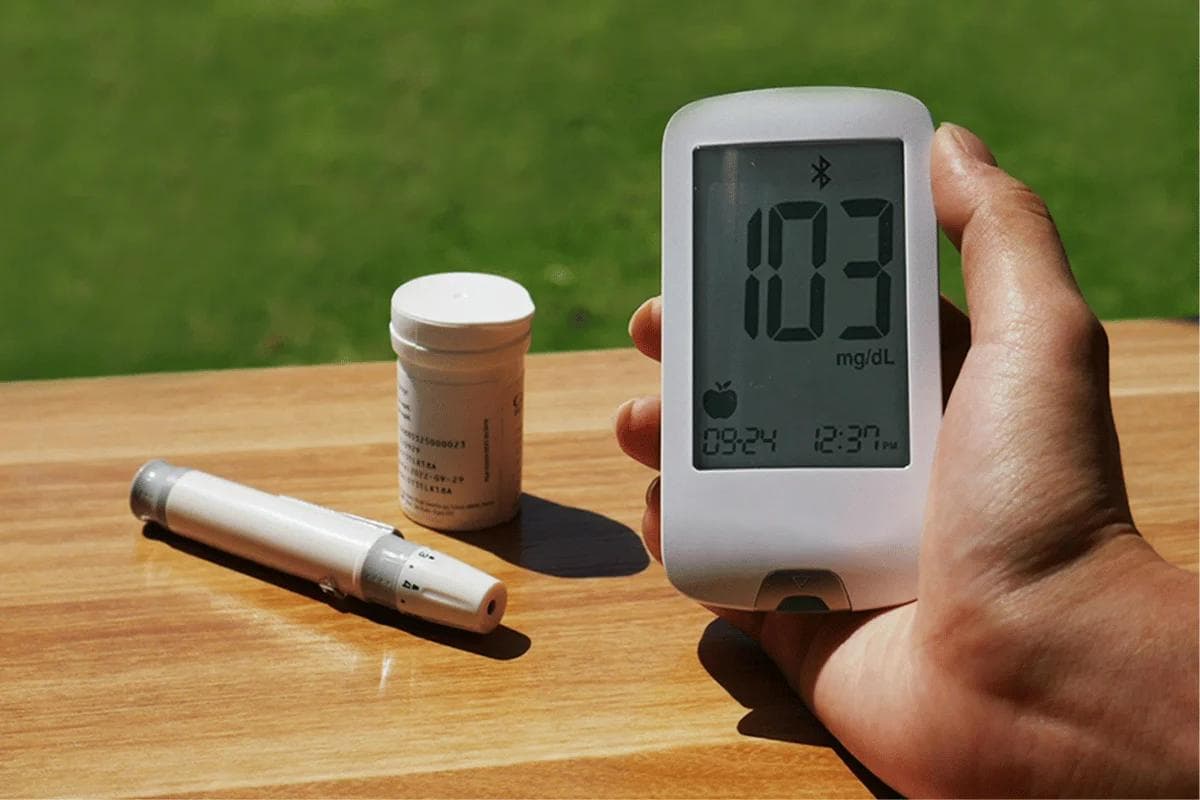
- For diabetes: Glucometers and continuous glucose monitoring (CGM) systems.
- For hypertension: Smart patches/wristbands, Bluetooth-enabled cuffs, and cellular-enabled cuffs.
Data Transmission with Connected Devices
The reason for using connected devices is to automatically move data from the patient’s device to your clinical team. As such, the device should be Wi-Fi-, Bluetooth-, or cellular-enabled.
At KangarooHealth, we recommend cellular-enabled devices as they can reliably transmit data without relying on patient-provided internet. You can then roll out RPM even in remote rural areas that may not always have reliable connectivity.
Data Aggregation with an RPM Platform
You need to aggregate the incoming data to make sense of it. For this reason, you will need a remote patient care platform like KangarooHealth.
The platform acts as the brain of the RPM system, cleaning and organizing data and using risk-stratification algorithms to alert you whenever a patient’s vitals are out of range.
Clinical Review and Intervention
Clinical review allows you to transform the incoming data into actionable steps for tailored and responsive chronic care.
Relevant stakeholders, such as nurses and care managers, have access to the RPM platform's dashboard. You can set alerts so the data is sent only to the relevant caregivers, increasing intervention speed and reducing alert fatigue.

How Remote Patient Monitoring Transforms Chronic Disease Management?
Traditional chronic disease management can be inefficient because you have to wait for in-person clinic visits to get patient data. RPM solves this challenge by enabling you to extend your clinic to the patient’s home.
The approach shifts the focus of chronic care from treatment to prevention and early intervention.
You’ll typically see higher adherence and significantly lower readmission rates:
Higher Patient Engagement and Adherence
RPM programs actively involve the patient in their healthcare journey. Since patients can see their physiological data in real-time, the immediate feedback can significantly affect their behavior.
For instance, a patient under RPM for diabetes sees the effect of their diet on their blood glucose levels.
- If they eat a meal high in refined grains, their blood glucose levels will spike almost immediately.
- Conversely, if they have a healthy meal, their blood glucose levels will remain stable.
Over time, the patient learns what actions serve their health goals, and they can independently modify their behavior for the better.
Additionally, the “monitoring” aspect of RPM provides a mechanism to enhance accountability, which can result in higher adherence. Patients know that there is a clinical team monitoring their vitals as well as medication adherence.
Early Interventions and Lower Readmission Rates
RPM enables you to detect physiological changes that may worsen the patient’s condition, thereby reducing hospital readmissions.
For instance, the Veterans Health Administration (VHA) did a study to evaluate the effectiveness of RPM in managing diabetes, and recorded the following results:
- There was an 11% drop in ER visits.
- There was a 50% reduction in hospitalizations.
- The number of average bed days dropped by 3 days.
Beyond the health benefits, these early interventions can also offer you and your patients substantial financial benefits. Hospitalizations and ER visits can be quite costly operationally.
The financial relief for the patient or the payor is also significant. In a study done from the payor perspective, the telemonitoring group saw a 21% reduction in costs over the one and two years of follow-up.
Chronic Conditions that Benefit Most From Remote Patient Monitoring
Most patients with chronic conditions that require frequent monitoring will benefit from RPM. You should strongly consider RPM for patients with the following conditions:
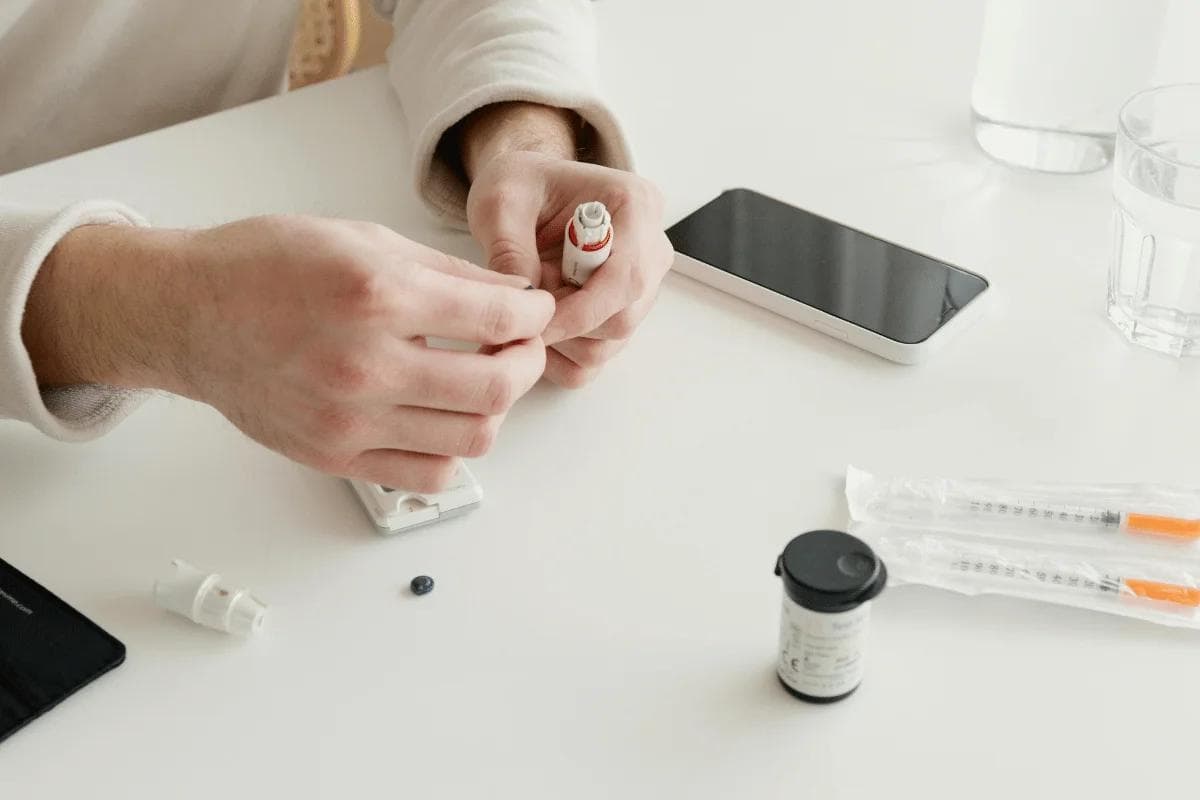
- Diabetes: You can track glucose levels in real-time, giving you data to recommend diet/insulin adjustments more proactively. Also, you can spot dangerous lows or highs a lot faster.
- Hypertension: Because blood pressure can be highly variable, it’s incredibly valuable to have a mechanism to track data continuously over time instead of relying on infrequent measurements at the clinic. RPM for hypertension can also help deal with the problem of “white-coat hypertension” readings.
- Congestive heart failure (CHF): You’ll be able to detect early signs of fluid buildup and cardiac decompensation, allowing for timely interventions.
- Chronic obstructive pulmonary disease (COPD): RPM can help you avoid full-blown respiratory crises. You’ll have daily respiratory metrics and vital signs that help detect flare-ups before symptoms become severe.
Implementation Considerations for Healthcare Organizations
The RPM implementation process typically includes program design, device setup, patient enrollment and onboarding, and the establishment of a care team.
Here are the key considerations you should have in mind during the process:
- Usability: Because most of the patients will be seniors, you must design a system that is easy to use. Additionally, use as few devices as possible to avoid tech overwhelm.
- Data and workflow integrations: One of the key threats you must avoid is data fragmentation. You should ensure seamless data flow between your existing EHR infrastructure and the new RPM system to prevent data silos and inefficient workflows.
- Patient eligibility, selection, and onboarding: You must adhere to Medicare’s rules and guidelines, especially those relating to medical necessity, the 16-day data rule, device requirements, and the need for an established patient relationship.
- Establishing a billing and reimbursement strategy: It helps to bake your reimbursement strategy into the system design. Understand the relevant CPT codes, establish clear time-tracking procedures and processes, and automate documentation.
Implementing RPM by yourself can be quite resource-intensive. This is where KangarooHealth comes in, taking the labor- and tech-intensive aspects of the program off your plate so you can focus on delivering actual patient care.
As your partner in RPM implementation, KangarooHealth offers:
- Quick, turn-key implementation: We have a pre-built RPM platform that can be configured to fit your needs and existing workflows. The approach ensures you can launch RPM in just a few weeks.
- Comprehensive time tracking: We automatically log all relevant minutes of chronic care and coordination. Our tools also automate documentation to ensure compliance.
- Seamless EHR integration: KangarooHealth integrates with existing EHRs. We are compatible with systems like Athena, Cerner, Epic, etc.
- A one-stop RPM solution: We handle device procurement and distribution. We also provide patient and staff training to ensure everyone is well-equipped for the program.
- A managed service: We offer clinical support services, including multi-lingual nurses to handle the heavy-lifting of frequent patient outreach, education, and monitoring.
- Senior-proofing: We use senior-proof, cellular-enabled devices that do not require an elaborate patient setup. It helps reduce non-adherence.
This ensures you can implement RPM without the administrative or tech burden.
Contact us today to speak with an expert and see how we can help you roll out RPM without the staff or administrative burden.
Common RPM Implementation Challenges
Working with a reliable RPM company like KangarooHealth will help you sidestep most RPM implementation challenges.
Still, you should be aware of the following two common issues so you can prepare for them:
- Workflow misalignment: Traditional workflows are designed for episodic care. RPM introduces a continuous data stream and may cause friction if not implemented well. That’s why you must align workflows to account for both episodic and continuous care.
- Staffing issues: Who will take on the additional roles for clinical monitoring, care coordination, and tech support? To overcome this hurdle, you can use a service like KangarooHealth, which provides in-house multilingual clinical teams so you don’t have to expand your own team.

Frequently Asked Questions (FAQs)
Now, let’s answer some common questions about remote patient monitoring for chronic disease management:
How Does Remote Patient Monitoring Protect Patient Privacy?
RPM programs should be HIPAA-compliant.
To protect patient privacy, service providers often institute several guardrails, including patient consent acquisition, data encryption, role-based access controls, and multi-factor authentication.
What Data Do RPM Devices Typically Record?
RPM devices typically record vital signs/physiological data (blood pressure, pulse rate, etc.), disease-related metrics (blood glucose levels, electrical heart activity, etc.), and behavioral data (physical activity, sleep, adherence, etc.).
How Often Should Patients Use RPM Devices?
Ideally, patients should use RPM devices for most days of the month.
To qualify for reimbursement, you must have had physiological data transmitted from the patient for at least 16 days within a 30-day period.
What Training is Required for Patients to Use RPM?
You can provide customized training depending on the program design and clinical goals.
Generally, you’ll need to train patients to use the devices and transmit data. You should also guide them on how and when to communicate with the clinical team.
Who Qualifies for RPM Under Insurance Plans?
Under Medicare, which sets the standard, the eligibility requirements are:
- The existence of an established patient relationship
- The presence of medical necessity (monitoring should be medically necessary for the diagnosis/treatment of the chronic condition)
- Patient consent
Conclusion
As the chronic care burden increases, providers must extend their reach beyond clinic walls to enable early interventions, improve outcomes, and reduce healthcare costs.
Remote patient monitoring provides the foundational tools and processes to actualize the new approach and reach patients wherever they are.
As you make the transition, you must commit to superior patient outcomes and clinical efficiency. That’s why you must have a robust RPM platform and implementation partner like KangarooHealth by your side.
Our streamlined implementation process will see you transition to RPM in weeks, not months. We also help manage device procurement and distribution, as well as patient enrollment and education.
Contact us today to start driving higher adherence and lower readmissions with our CMS-compliant RPM solutions.

Dr. Xiaoxu Kang
AuthorAs CEO and Founder of Kangaroohealth, Dr. Kang is a healthcare innovator with nearly two decades of experience in healthcare and 20+ national and international awards. She received her PhD and medical training from Johns Hopkins University.Dr. Kang, CEO and Founder of Kangaroohealth, is a healthcare innovator with nearly two decades of experience. She has received over 20 national and international awards. Dr. Kang completed her PhD and medical training at Johns Hopkins University.