


Chronic Disease Management Examples - Improve Patient Outcomes




Author
As CEO and Founder of Kangaroohealth, Dr. Kang is a healthcare innovator with nearly two decades of experience in healthcare and 20+ national and international awards. She received her PhD and medical training from Johns Hopkins University.Dr. Kang, CEO and Founder of Kangaroohealth, is a healthcare innovator with nearly two decades of experience. She has received over 20 national and international awards. Dr. Kang completed her PhD and medical training at Johns Hopkins University.


Disclaimer: This article provides general information about chronic disease management for educational purposes only. It is not intended as medical advice, diagnosis, or treatment. Always consult your healthcare provider before making any changes to your treatment plan or starting new health programs. Individual medical conditions require personalized care from qualified healthcare professionals who understand your specific health history and needs.
Chronic diseases represent the biggest challenge in American healthcare today.
About 76% of American adults now live with at least one chronic condition, which consumes 90% of the nation's healthcare spending.
These long-term conditions don't have cures, which means effective management becomes essential for patient survival and quality of life. Success requires patients working closely with their care teams and following personalized treatment plans consistently.
But what does that actually look like in practice?
Let's look at what works in chronic disease management and how different conditions require different strategies.
TL;DR - Chronic Disease Management Examples
Examples of chronic disease management in action:
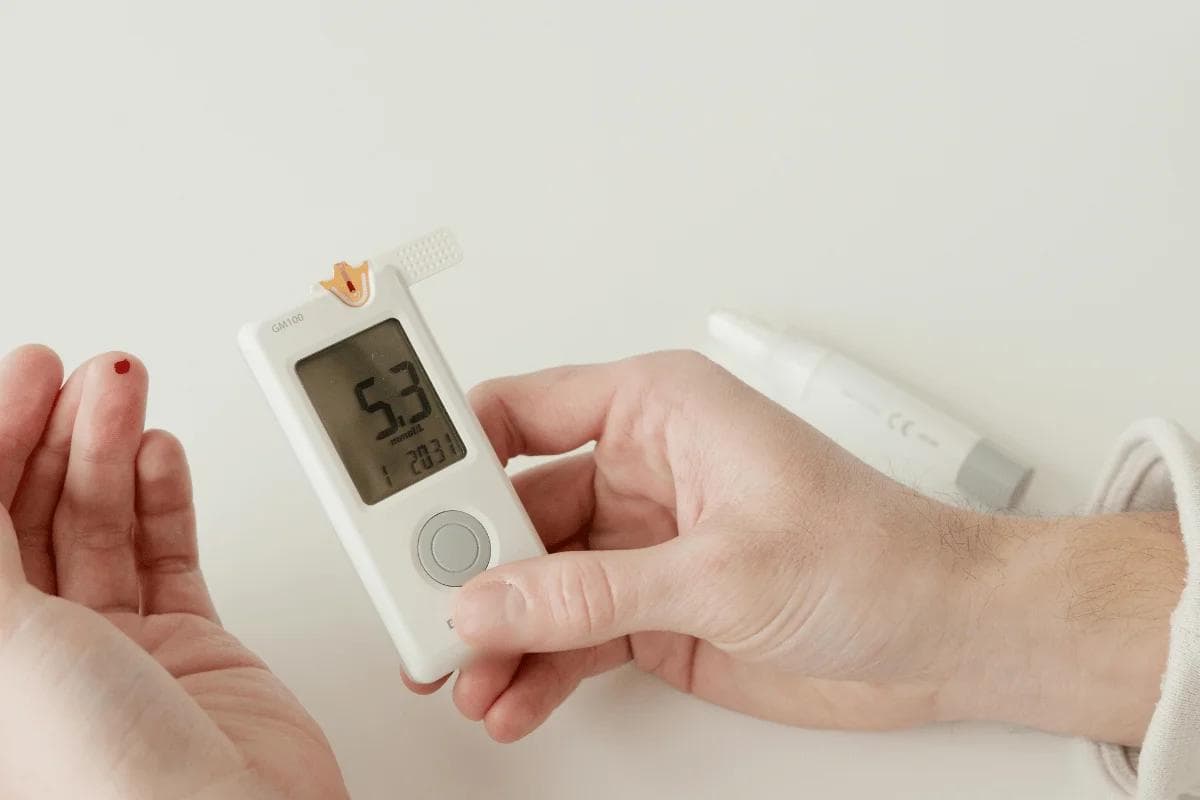
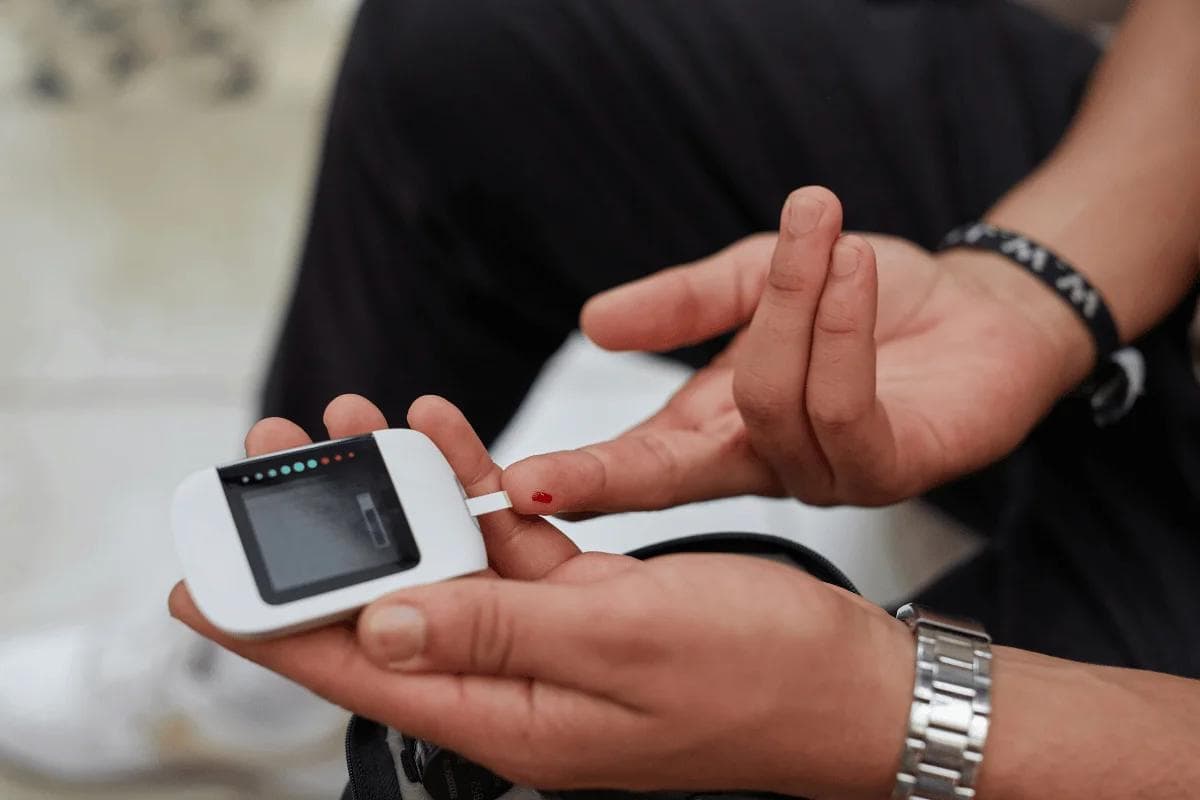
- Diabetes: Glucose monitoring, medication management, regular HbA1c tests, annual eye/foot exams, diet counseling, and exercise programs.
- Heart failure: Daily weight checks, medication optimization, low-sodium diet, and symptom monitoring.
- COPD: Bronchodilator medications, vaccinations, smoking cessation, oxygen monitoring, and pulmonary rehab.
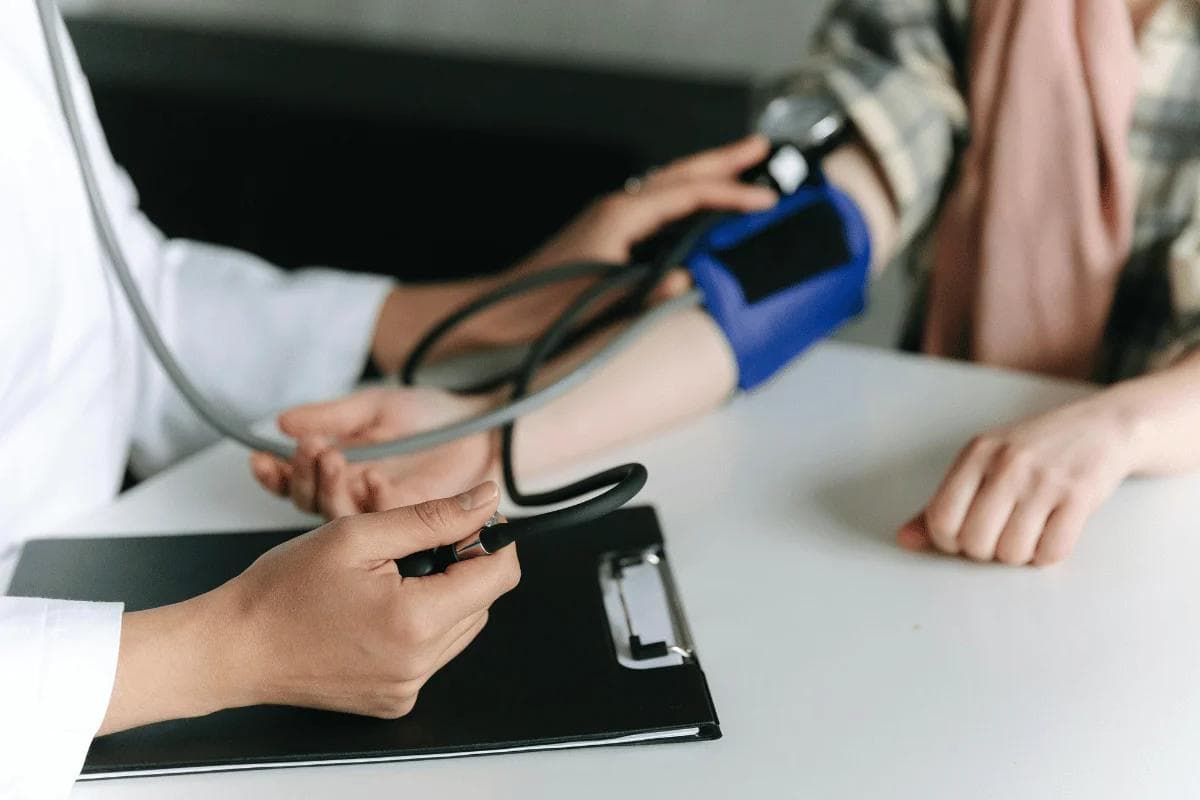
- Hypertension: Home blood pressure monitoring, medication adjustments, DASH diet, exercise, and stress management.
- Arthritis: Exercise programs, weight management, tai chi/yoga, pain relief medications, and disease-modifying drugs.
What Qualifies as a Chronic Disease?
The CDC defines chronic diseases as conditions lasting one year or more that require ongoing medical attention or limit daily activities. While some medical sources use a three-month threshold, the 12-month criterion is standard for healthcare policy.
These conditions share common traits. They don't go away on their own. You can't prevent them with vaccines, and you can't cure them with medication alone. They also need continuous management rather than one-time treatment.
Examples of chronic illnesses include:
- Cardiovascular diseases (heart disease, stroke, hypertension)
- Cancer
- Diabetes (Type 1 and Type 2)
- Chronic respiratory diseases (COPD, asthma)
- Arthritis (rheumatoid and osteoarthritis)
- Chronic kidney disease
- Depression and mental health conditions
- Alzheimer's disease and dementia
- Obesity
About 129 million Americans have at least one major chronic disease. Research on chronic disease prevalence shows the burden has increased steadily over the past two decades, with 42% of Americans now managing two or more chronic conditions.
The southeastern region of the US shows the highest disease rates, particularly in areas with lower incomes and limited healthcare access.
These patients incur average annual healthcare costs of $6,032, which are five times higher than those without chronic diseases.
Core Components of Effective Chronic Disease Management Programs
The foundation of any disease management programme starts with six essential elements.
These come from the Chronic Care Model developed in the 1990s and validated by over 80 research studies.
Let’s look at them:
- Health System Organization: Leadership must commit resources and align the healthcare organization around chronic care goals. Without executive support, programs fail.
- Self-Management Support: Patients need tools and training to manage their conditions daily. This includes education on symptoms, medication use, and when to seek help. Self-management support delivers the most consistent improvements.
- Delivery System Design: Care teams should include nurses, pharmacists, social workers, and community health workers working with doctors. When everyone knows their job, patients get better care.
- Decision Support: Clinical staff need access to evidence-based guidelines integrated into their workflow. This might mean automated alerts in electronic health records or regular case reviews.
- Clinical Information Systems: Patient registries track who needs what services at what times. They enable proactive outreach instead of reactive care.
- Community Resources: Links to support groups, exercise programs, and nutrition services extend care beyond clinic walls.
Programs addressing four or more components achieve the best results.
One element alone helps, but comprehensive approaches prevent more complications and hospitalizations while delivering measurable benefits for both patients and practices.
Chronic Care Management and Connected Care Experience (CCM+RPM)
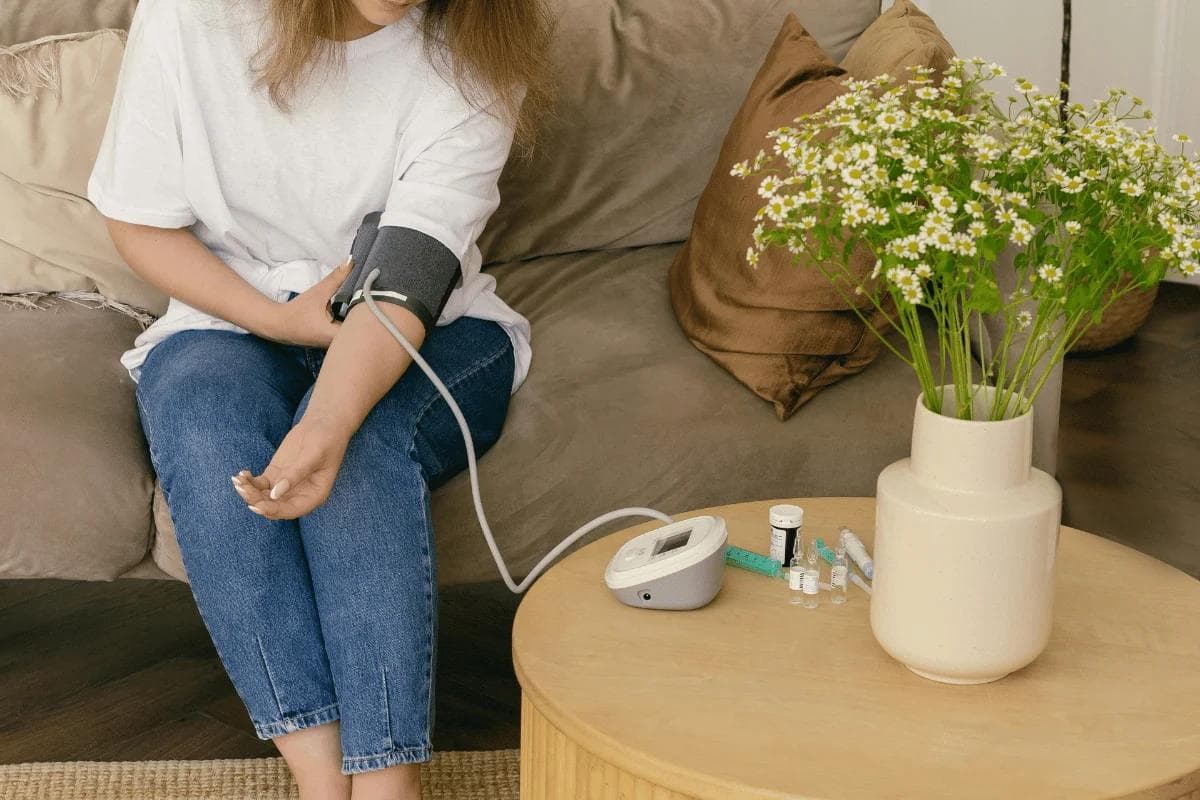
Chronic Care Management (CCM) is a Medicare program that coordinates care for patients with multiple long-term health conditions. It fills the gaps between clinic visits with regular check-ins, medication reviews, and proactive support from a dedicated care team.
Remote Patient Monitoring (RPM) uses connected medical devices to track patient health data automatically. Blood pressure cuffs, glucose meters, weight scales, and pulse oximeters transmit readings directly to care teams without requiring patient intervention.
Patient Qualification Criteria
For CCM, patients must meet these requirements:
- Two or more chronic conditions expected to last at least 12 months
- Established patient status with prior evaluation and management service
- Not currently enrolled in another CCM program
- Conditions place them at significant risk of death, acute exacerbation, or functional decline
Common qualifying conditions include diabetes, heart disease, COPD, hypertension, arthritis, chronic kidney disease, and depression.
The eligibility criteria are broader for RPM so that more patients can reap these RPM benefits:
- One or more chronic conditions requiring ongoing monitoring
- Acute conditions needing close observation during recovery
- Any clinical situation where physiologic data guides treatment decisions
- Must be an established patient
Medicare Reimbursement Structure
Medicare recognizes the value of these services through specific CPT codes that reimburse providers for time spent on non-face-to-face care coordination and monitoring.
For Chronic Care Management (2026 Medicare rates):
- CPT 99490: $66 for the first 20 minutes of clinical staff time monthly
- CPT 99439: $50 for each additional 20 minutes
- CPT 99491: $89 for physician-directed CCM requiring at least 30 minutes
- CPT 99437: $63 for each additional 30 minutes with physician-directed care
- CPT 99487: $144 for complex CCM requiring 60 minutes with moderate-to-high complexity medical decision-making
- CPT 99489: $78 for each additional 30 minutes of complex CCM
For Remote Patient Monitoring (2026 Medicare rates):
- CPT 99453: $22 one-time device setup and patient education
- CPT 99445: $47 monthly for device supply with 2-15 days of data collection
- CPT 99454: $47 monthly for device supply with 16-30 days of data collection
- CPT 99470: $26 for initial 10-19 minutes of treatment management services
- CPT 99457: $52 for initial 20 minutes of treatment management services
- CPT 99458: $41 for each additional 20 minutes (up to two instances monthly)
You can provide CCM and RPM services together. They complement each other perfectly and can be billed during the same service period.
Why Combining CCM and RPM Works Better
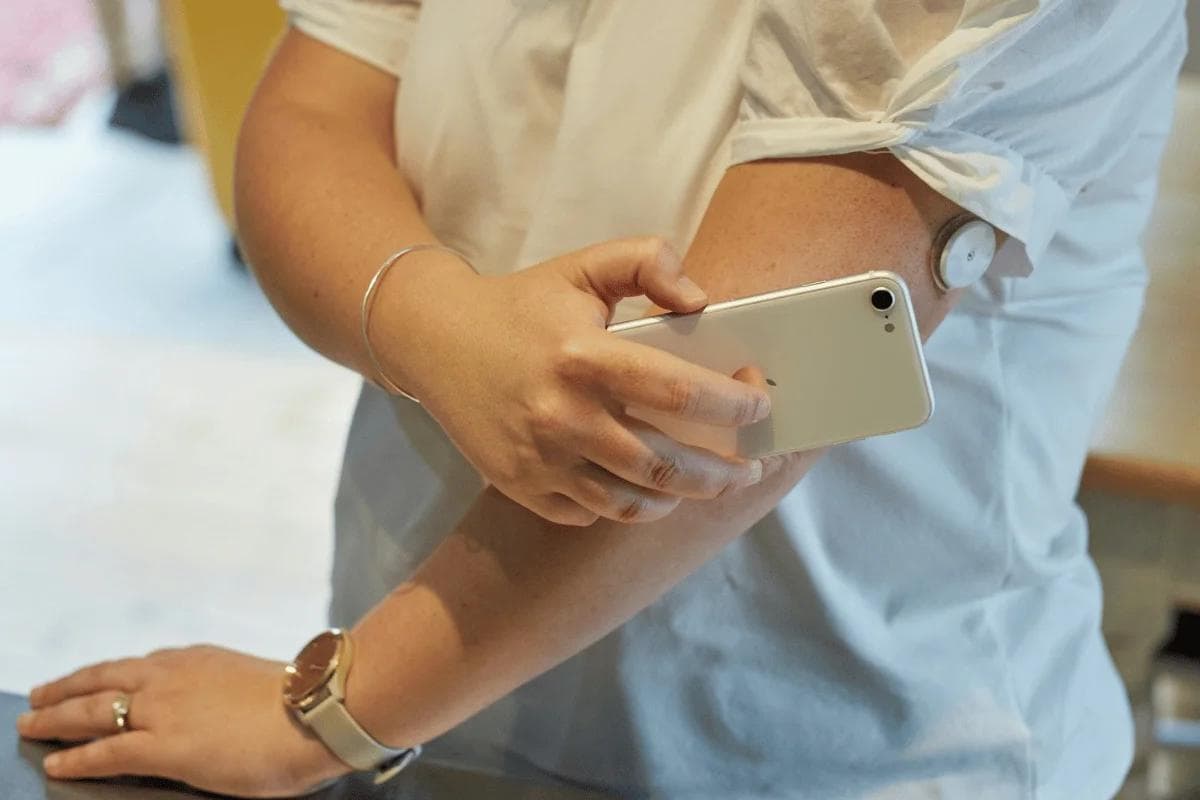
When both programs are used together, your care team gets the whole picture. The combination creates a continuous feedback loop that catches problems early.
Here's a hypothetical example of how it works in practice:
- A heart failure patient weighs themselves daily on a connected scale.
- The weight data transmits automatically to the monitoring team.
- When the weight increases by three pounds in two days, the CCM care coordinator receives an alert.
- They call the patient the same day to discuss symptoms and adjust diuretic medications.
- A potential hospitalization gets prevented before it happens.
Research shows that remote monitoring helps keep patients safer and healthier.
A systematic review of 29 studies found that RPM reduced hospital readmissions and helped patients follow their treatment plans better. Patients using remote monitoring also showed better mobility and daily function.
Another study found that heart failure patients with kidney problems had a 33% lower risk of death when using remote monitoring compared to standard care.
How KangarooHealth Extends Your Practice's Reach
These outcomes happen when you have the right support system in place.
Most practices want to provide this level of continuous care, but face real constraints. Limited staff time, competing priorities, and the administrative burden of program management make it difficult to scale these services effectively.
That's where KangarooHealth - our specialized platform steps in - not to replace your clinical judgment, but to extend your reach beyond the clinic walls.
What KangarooHealth Provides:
- Visibility Beyond Visits: Our integrated platform gives you access to patient health data you wouldn't normally see between appointments. The connected care approach closes gaps that exist in traditional care delivery.
- Consistent Touchpoints: Patients who previously only checked in every three months now have weekly contact with a dedicated care team. Problems get identified and addressed before they escalate.
- Senior-Friendly Technology: Our 100+ FDA-cleared devices arrive pre-configured. Patients take them out of the box, and they start working. No apps to download. No passwords to remember. Just automatic health monitoring that helps keep people out of hospitals.
Book a quick 1:1 with our team to explore how these programs can work for your practice.
Evidence-Based Chronic Disease Management Models
Several proven frameworks are available from decades of research and real-world testing. These models consistently improve patient outcomes across different healthcare settings.
Here are the most widely used approaches:
- Chronic Care Model (CCM): Developed in the 1990s, this framework focuses on six core elements - organized health systems, self-management support, team-based care, evidence-based guidelines, patient registries, and community partnerships. We already talked about this in detail above.
- Patient-Centered Medical Homes (PCMH): This model puts the patient at the center with a dedicated care team that coordinates everything. It emphasizes comprehensive care, accessible services, and continuous quality improvement. A major study of patient-centered medical homes looking at over 60,000 patients found these programs helped 79% more people recover from depression, doubled the success rate for controlling blood pressure, and cut down hospital visits by 17%.
- Transitional Care Model (TCM): Designed to help patients safely transition from hospital to home, this approach uses specially trained nurses who start working with patients in the hospital and continue support for two to three months after discharge. Studies show the model cuts hospital readmissions by 30% to 50% and saves about $4,500 per patient in annual healthcare costs.
- Collaborative Care Models: These integrate mental health services directly into primary care settings for chronic disease management. A care coordinator tracks symptoms, communicates regularly with patients, and consults with psychiatrists who guide treatment. Over 70 randomized trials prove this works better than standard care for treating depression in primary care practices.
How to Create Your Chronic Disease Management Plan
A good chronic disease management plan starts with understanding where the patient is right now.
This means looking at their current health conditions, medications, and any challenges they face in daily life.
Start with setting goals that work.
Goals need to be specific and realistic. "Get healthier" doesn't help anyone. But "reduce blood sugar from 9.2% to 7.5% in six months" gives everyone something concrete to work toward.
Then, list the things that should go in the plan:
- Which medications to take and when
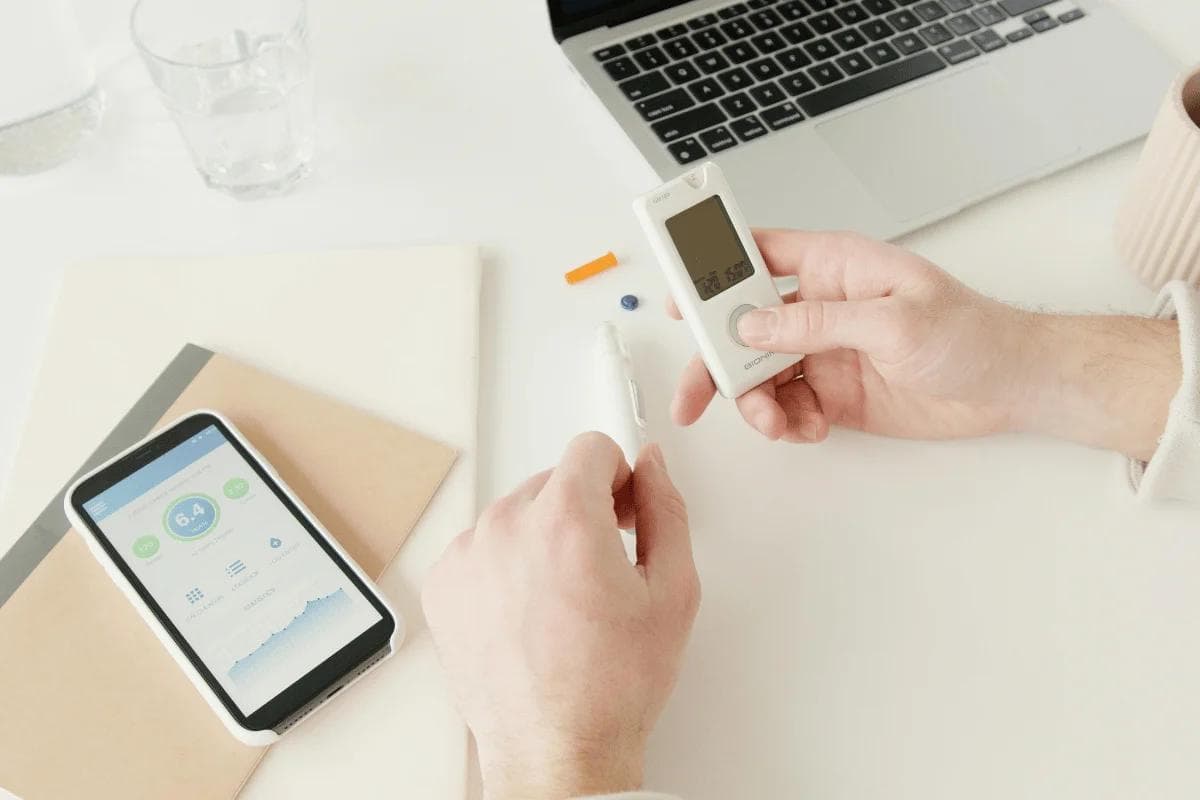
- What to monitor at home (blood pressure, weight, glucose)
- Specific diet and exercise changes
- When to get screenings and checkups
- What specialists to see and when
Every plan should also clearly explain warning signs. Diabetic patients need to know what high and low blood sugar levels feel like. Heart failure patients should call their doctor if they gain three pounds in a week.
Plans need regular updates. At least once a year, but every few months for complicated cases.
Get Help With the Administrative Work
Running these programs takes time.
Someone needs to enroll patients, track daily readings, document everything for billing, and coordinate between different providers.
At KangarooHealth, we handle these operational tasks so your clinical team can focus on patient care.
Learn how our chronic care management solution works and see how we can support your practice.
Chronic Disease Management Examples by Condition
These general principles apply across all chronic diseases, but each condition requires its own tailored approach.
Here's how healthcare providers structure care for the most common chronic diseases:
- Diabetes Management: Daily glucose monitoring tracks blood sugar patterns. Care teams adjust insulin or oral medications based on readings. Patients learn carbohydrate counting and get annual screenings for eye, kidney, and foot complications. Self-management education programs reduce A1c levels by 0.45–0.57%.
- Heart Failure Management: Patients weigh themselves every morning. Weight gains of two pounds overnight or three pounds in a week trigger immediate nurse calls. Medication adjustments happen proactively, often preventing hospitalizations. Remote monitoring automatically transmits daily weight, blood pressure, and heart rate.
- COPD Management: Inhaled medications (bronchodilators and corticosteroids) form the foundation of treatment. Patients learn breathing techniques and energy conservation strategies. Pulse oximetry monitors oxygen levels. The biggest impact comes from smoking cessation - it's the only intervention that slows disease progression.
- Chronic Kidney Disease Management: Blood pressure control below 120/80 slows progression. SGLT2 inhibitors reduce kidney failure risk by 30-40% (over 2–3 years) for all CKD patients. Stage 3+ requires managing complications like anemia and mineral imbalances. Early detection through regular eGFR and urine albumin testing guides the treatment intensity.
- Arthritis Management: Rheumatoid arthritis needs early aggressive treatment with disease-modifying drugs like methotrexate. Exercise is the strongest recommendation for both rheumatoid and osteoarthritis - walking, resistance training, and tai chi all show benefits. Weight loss helps overweight patients with knee or hip pain.

Tips to Overcome Common Challenges in Chronic Disease Management
Managing chronic diseases comes with real obstacles.
Here's how to tackle the most common ones:
- Medication Adherence: About half of people don't take their medications as directed. This wastes $100-300 billion each year on preventable health problems. Smart pill bottles track when you take medications and send reminders. Simplify regimens to once-daily dosing when possible. Some insurance plans eliminate copays for critical medications like statins to remove cost barriers.
- Rural Access Issues: Transportation and distance create barriers for rural patients. Remote monitoring devices and care coordination calls help bridge these gaps, allowing patients to receive consistent support without long drives to the clinic. It creates a digital bridge to better patient care.
- Health Literacy Barriers: More than 4 in 10 adults struggle to understand health content written for the public. Use teach-back methods where patients explain instructions back to confirm understanding. Provide materials written at a 5th-6th-grade reading level with pictures. Offer professional interpreters for non-English speakers. Our multilingual (US-based) clinical team at KangarooHealth speaks 15+ languages, ensuring communication never becomes a barrier.
- Cost Concerns: Real-time benefit tools show actual patient costs during prescribing, letting doctors choose affordable alternatives. Patient assistance programs provide free or low-cost medications. Social workers can connect patients to pharmaceutical manufacturer programs and community resources.
- Fragmented Care: Care coordinators track appointments across multiple providers, reconcile medications, and ensure test results reach everyone who needs them. They serve as the communication hub, preventing things from falling through cracks.
Frequently Asked Questions (FAQs)
Here are answers to some more common questions about managing chronic diseases:
How is Chronic Pain Addressed in Disease Management Programs?
Pain management programs use a mix of medications, physical therapy, and behavioral techniques.
Care teams track pain levels with validated scales and adjust treatments based on what works for each patient.
What Role Does Lifestyle Change Play in Chronic Disease Management?
Lifestyle changes like diet, exercise, and quitting smoking often impact outcomes more than medications alone.
Regular physical activity improves blood sugar control, and smoking cessation is the only thing that slows COPD progression.
How are Patients Monitored in COPD Management Programs?
COPD patients get spirometry tests every 3-6 months to measure lung function, and pulse oximetry to check oxygen levels.
Remote monitoring with wearable devices catches problems early, before hospitalization becomes necessary.
What are Examples of Technology Used in Managing Chronic Illnesses?
Common technologies include blood pressure monitors, continuous glucose monitors, smart weight scales, and pulse oximeters that send data automatically.
Mobile apps track symptoms and medications while AI analyzes patterns to predict complications.
How Do Support Groups Aid in Managing Chronic Conditions?
Support groups reduce isolation and provide practical tips from people facing similar challenges.
Participants learn self-management skills and gain encouragement from others who understand what they're going through.
Conclusion
Despite the importance of continuous chronic disease management, in reality, most practices struggle to monitor patients between visits. Staff time runs short. Administrative work piles up. Patients may not get the continuous support they need.
KangarooHealth solves this by becoming an extension of your care team. We're a remote patient monitoring and chronic care management platform built for physician practices, hospitals, Rural Health Clinics, and FQHCs.
Our platform connects with your existing EHR, manages all the billing documentation, and gets new providers live in under 2 weeks. Patient enrollment happens within 24-48 hours.
We've helped practices reduce adverse health events by 48%, and 98% of physicians report satisfaction with our services. Schedule a demo to see how it works for your practice.

Dr. Xiaoxu Kang
AuthorAs CEO and Founder of Kangaroohealth, Dr. Kang is a healthcare innovator with nearly two decades of experience in healthcare and 20+ national and international awards. She received her PhD and medical training from Johns Hopkins University.Dr. Kang, CEO and Founder of Kangaroohealth, is a healthcare innovator with nearly two decades of experience. She has received over 20 national and international awards. Dr. Kang completed her PhD and medical training at Johns Hopkins University.
Other articles you might find interesting

Benefits of Care Coordination for Patients, Providers, and Healthcare Organizations

How to Improve Care Coordination [Examples Included]
Value-Based Care Trends in 2026: AI, RPM, CCM, and Connected Care