

How to Reduce Hospital Readmissions With Remote Patient Monitoring





Author
As CEO and Founder of Kangaroohealth, Dr. Kang is a healthcare innovator with nearly two decades of experience in healthcare and 20+ national and international awards. She received her PhD and medical training from Johns Hopkins University.Dr. Kang, CEO and Founder of Kangaroohealth, is a healthcare innovator with nearly two decades of experience. She has received over 20 national and international awards. Dr. Kang completed her PhD and medical training at Johns Hopkins University.


You may discharge a patient who is stable, only for problems to surface once they're back home. They may be unsure about a medication change, miss a follow-up, or develop worsening symptoms before your care team knows anything has changed. Reducing hospital readmissions means finding ways to catch those problems sooner. In this guide, we'll look at practical strategies you can use to strengthen post-discharge care, including where remote patient monitoring (RPM) fits into that approach.
Key Takeaways
- About 26.9% of readmissions in a 1,000-patient study were classified as potentially preventable, most often tied to premature discharge, missed appointments, and communication gaps.
- Under CMS's Hospital Readmissions Reduction Program (HRRP), hospitals with excess readmissions across 6 condition categories can lose up to 3% of Medicare payments.
- The highest-leverage interventions: risk stratification before discharge, teach-back at discharge, medication reconciliation across settings, follow-up scheduled within the first week, post-acute care coordination, and a clear patient point of contact.
- RPM extends visibility into the post-discharge window by flagging concerning readings between visits — a review of 29 studies (4,300+ patients) found fewer readmission-related events in 14 of them, most consistently in COPD programs.
- Observation stays generally do NOT count toward HRRP; skilled nursing facilities fall under a separate program (SNF VBP), not HRRP.
Why Are Hospital Readmissions Bad?
When a patient returns to the hospital, they go through another round of tests, treatment, and disruption. It also adds to healthcare spending, particularly when the readmission might have been avoided with better follow-up or an earlier response to a change in the patient's condition.
Not every readmission can be prevented. Sometimes a patient may need to return because their condition worsens or complications develop even when they received appropriate care. The concern is with readmissions that may have been avoided if an issue after discharge had been caught or addressed sooner.
Such cases can have a financial impact for your hospital. Under the Centers for Medicare & Medicaid Services (CMS) Hospital Readmissions Reduction Program (HRRP), hospitals with excess readmissions can have their Medicare payments reduced by up to 3% across six condition- and procedure-specific measures:
- Acute myocardial infarction (AMI)
- Chronic obstructive pulmonary disease (COPD)
- Heart failure
- Pneumonia
- Coronary artery bypass graft (CABG) surgery
- Elective primary total hip and knee arthroplasty
For your care team, a readmission means another care transition to manage, more coordination across providers, and additional follow-up for a patient who may already have complex needs.
Reducing hospital readmissions can help you keep that care more continuous after discharge.
The Most Common Causes of Preventable Hospital Readmissions
Preventable readmissions often trace back to something that happened during the transition out of the hospital or in the days that followed. In a study of 1,000 readmitted patients, researchers classified 26.9% of the readmissions as potentially preventable. Factors included premature discharge, missed appointments, and patients not knowing whom to contact after leaving the hospital.
Other common gaps can include:
- Medication problems: Patients may miss prescribed medications because of cost, access issues, side effects, or difficulty keeping up with the regimen. When medications aren't taken as prescribed, symptoms may return, or a condition may become harder to manage, increasing the likelihood of a hospital visit.
- Poor communication between care teams: Important information about medications, follow-up, or the care plan may not reach the primary care physician or other providers taking over the patient's care. In the study mentioned above, failure to relay important information to outpatient providers was strongly associated with potentially preventable readmissions.
- Missed or delayed follow-up: Patients may leave without an appointment scheduled or be unable to attend one because of transportation, cost, or other access barriers. Without timely follow-up, medication issues, worsening symptoms, or other problems may go unnoticed, resulting in urgent readmission.
- Difficulty following the discharge plan: Patients and caregivers need to know what to do at home, which warning signs to watch for, and whom to contact if something changes. If this isn't clear, it can delay getting help when a problem develops and increase the risk of a return to the hospital.
- Changes that aren't caught early: Symptoms or physiological measurements can begin changing after discharge without the care team knowing. If those changes aren't identified early enough for the provider to assess and respond, the patient's condition may worsen and lead to another hospital visit.
However, many of these gaps occur after the patient has left the hospital, which is why discharge planning alone can't carry the entire readmission reduction strategy.
How to Reduce Hospital Readmissions
Reducing avoidable readmissions requires attention to what happens before, during, and after a patient leaves the hospital.
The strategies below focus on strengthening those points in the patient's transition home:
Stratify Risk Before the Patient Is Discharged
Every patient leaves the hospital with different follow-up needs. Someone with several chronic conditions, multiple recent hospitalizations, a complex medication regimen, or limited support at home may need a very different plan from a lower-risk patient.
Tools such as LACE and HOSPITAL can help you identify patients at greater risk of readmission, but a score is only useful if it changes what happens next. For higher-risk patients, that might mean an earlier follow-up, medication review, home health referral, additional outreach, or remote monitoring after discharge.
Risk stratification helps you decide where to focus post-discharge resources, so patients with a greater likelihood of readmission can receive more intensive follow-up and support.
Structure the Discharge Plan Around Teach Back
Handing someone written discharge instructions doesn't tell you whether they will know what to do once they're home.
That's where the teach-back method can help. Rather than asking whether the patient understands, ask them to explain the plan in their own words, including which medications they'll take, when they'll follow up, what symptoms to watch for, and who to call if something changes.
The Agency for Healthcare Research and Quality (AHRQ) includes teach-back in its Re-Engineered Discharge program for this reason. It gives the care team a chance to spot confusion and correct it before the patient leaves.
Reconcile Medications Across Every Setting
Medication changes can become surprisingly difficult to follow after a hospital stay. A patient may go home with new prescriptions, different doses, and instructions to stop medications they were taking before admission.
Reconciliation needs to make those changes clear to both your patient and the clinicians taking over their care. This can help prevent missed doses, incorrect dosing, and other medication-related problems that could lead to a readmission.
A meta-analysis found that medication-related interventions that continued after discharge reduced 30-day readmissions by 3.8 percentage points, or about one fewer readmission for every 27 patients who received them.
The important part is that medication reconciliation wasn't working in isolation. It was part of continued medication management during the transition home.
Schedule Follow-Up Inside the First Week
Don't leave the first follow-up for the patient to arrange weeks later, especially when the care team already knows they're at higher risk. Scheduling the appointment before discharge gives you an earlier chance to catch worsening symptoms, medication issues, or care-plan problems before they lead to another hospital visit.
The evidence also suggests that timing should reflect the patient rather than follow a blanket rule. A recent systematic review and meta-analysis found that seven-day follow-up was associated with lower readmissions, particularly among adults 65 and older with heart failure and acute myocardial infarction.
That first visit can then focus on what has changed since discharge: symptoms, medications, home measurements, and whether the patient has followed the care plan.
Coordinate with Post-Acute and Home Health Partners
Once a patient leaves the hospital, care may shift among a primary care physician, specialist, skilled nursing facility, home health agency, or a combination of these. A strong discharge plan won't help much if the next team doesn't have the information needed to follow it.
To improve care coordination, make sure medication changes, pending test results, follow-up requirements, and the current care plan reach the providers taking over care. This helps prevent missed follow-ups or gaps in treatment that could worsen a patient's condition and lead to readmission.
It should also be clear who is responsible for what happens next and who the patient should contact if symptoms worsen or a home measurement raises concern.
Give Patients a Clear Path to Get Help
Patients shouldn't have to figure out where to turn when something changes after discharge. Make sure they know which symptoms require attention, who to contact with questions, and when they should seek urgent or emergency care.
Giving patients and caregivers a clear point of contact can help them raise concerns sooner rather than waiting until symptoms become severe. That gives your care team another opportunity to assess the problem and determine the appropriate next step before a return to the hospital becomes necessary.
How Remote Patient Monitoring Helps Reduce Hospital Readmissions
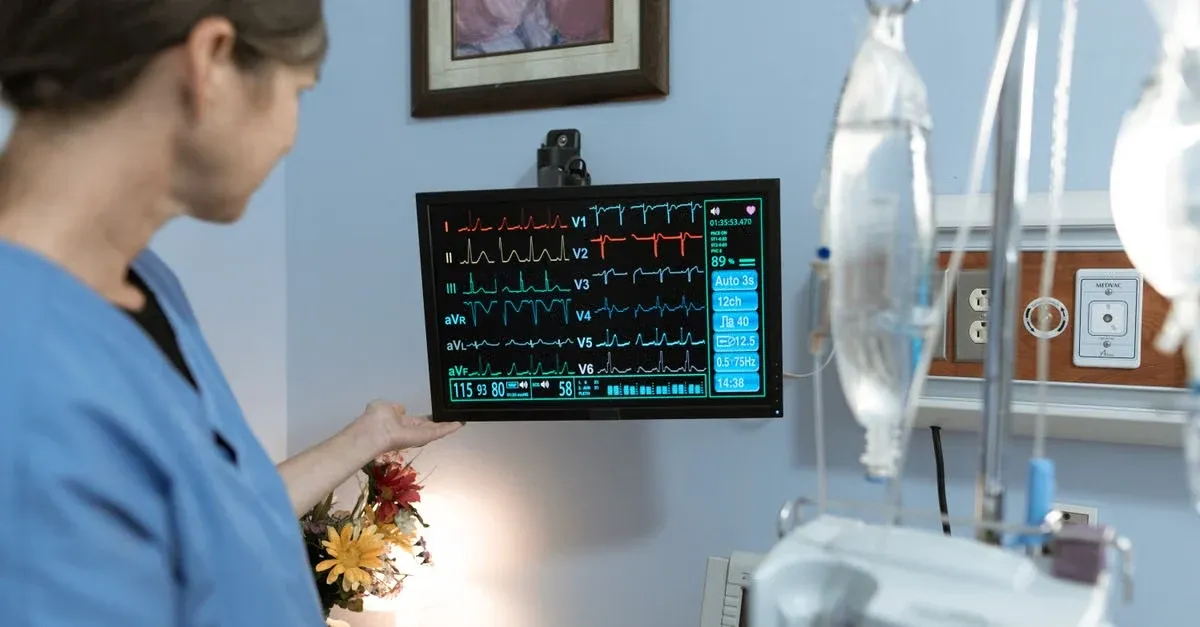
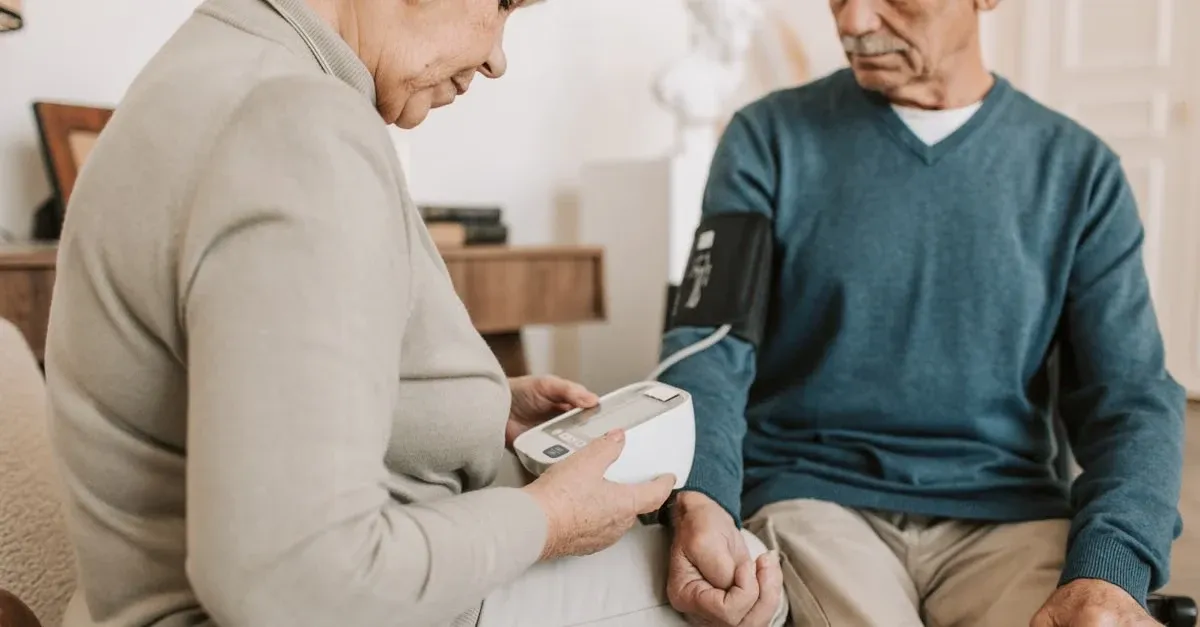
The time between discharge and the next clinical encounter can leave you with limited visibility into how a patient is doing at home. Remote patient monitoring (RPM) helps close that gap by collecting physiological data from connected devices and making it available for review between visits.
RPM can support your approach to reducing hospital readmissions in several ways:
- Monitoring changes after discharge: Regular readings can help you see when a patient's condition begins to change at home. With RPM for chronic disease management, you can monitor measurements based on the patient's care plan, such as weight and blood pressure for heart failure or oxygen saturation for COPD.
- Identifying problems earlier: You can set thresholds around the measurements and symptoms that matter for each patient. When readings meet those criteria, they can be reviewed and escalated to the appropriate clinician, giving you an opportunity to assess the patient before the problem becomes more serious.
- Responding before hospital care is needed: Once a concerning change is identified, you can decide what happens next. That might include a medication review, an earlier appointment, or another appropriate intervention that may help prevent the patient's condition from progressing to the point of requiring hospital care.
- Combining monitoring with ongoing care management: For eligible patients with multiple chronic conditions, RPM can also be paired with Chronic Care Management (CCM). RPM provides physiological data from home, while CCM supports medication management, care coordination, and communication around the patient's chronic conditions.
Evidence also supports post-discharge monitoring for conditions associated with readmissions. A review of 29 studies involving more than 4,300 patients found that 14 reported fewer readmission-related events, with the most consistent results seen in COPD programs.
Research on nurse-led telemonitoring has also found reductions in all-cause and heart-failure readmissions when nurses reviewed patient data, followed up regularly, and responded to alerts.
How KangarooHealth Supports Reducing Hospital Readmissions
Running RPM after discharge takes more than sending patients home with connected devices. You still need to enroll patients, monitor incoming data, keep them engaged, and make sure concerning changes reach the right provider.
At KangarooHealth, we provide the clinical support and technology solution to help you manage those pieces while keeping clinical decisions with your care team.
Here's what we can support you with:
- Flexible monitoring support: You can keep monitoring in-house using our platform and devices or add support from our multilingual clinical team when staffing is limited. We can also train your staff and handle device procurement.
- Devices that fit your patients: Our platform supports 100+ pairable devices across 50+ chronic conditions. Cellular-enabled options don't require a patient's smartphone or home Wi-Fi, which can help you include patients who face technology or connectivity barriers.
- A clearer view of patient data: We organize readings in one dashboard so your care team can follow measurements and trends between encounters. During your clinic or hospital operating hours, our monitoring team can also flag symptoms or readings that meet established criteria for your team to review.
- Ongoing patient engagement: Our multilingual nurses and clinicians provide regular support and feedback through secure in-app messaging and phone and video calls. We also offer one-way SMS reminders to help patients stay engaged with the program.
- Documentation for reimbursement: We track monitoring time and activities and generate reports that support reimbursement documentation. If you need billing services, we can also connect you with third-party billing experts.
This gives you a way to extend monitoring beyond discharge without requiring your care team to build and manage every part of the program internally. See how one rural primary care team put this into practice in our Greenville Family Medicine RPM and CCM case study.
Schedule a demo to see how we can support an RPM program built around your patients, care team, and existing workflows.
Frequently Asked Questions (FAQs)
Here are a few common questions about readmissions, CMS penalties, and using RPM after a patient leaves the hospital:
Are Observation Stays Counted as Readmissions?
Generally, no. Under the CMS Hospital Readmissions Reduction Program (HRRP), the 30-day readmission measures look at qualifying inpatient admissions. Observation stays are typically classified as outpatient care, even when the patient stays in the hospital overnight.
Hospitals may still track observation stays and emergency department visits when evaluating overall post-discharge utilization.
Do Readmission Penalties Apply to Skilled Nursing Facilities?
Skilled nursing facilities (SNFs) aren't subject to the hospital HRRP. They have a separate CMS program called the Skilled Nursing Facility Value-Based Purchasing (SNF VBP) Program, which ties Medicare payments to performance on specific quality measures, including readmissions.
Instead, the SNF VBP Program adjusts what facilities receive from Medicare based on their performance. CMS withholds 2% of each SNF's Medicare fee-for-service Part A payments and returns a portion as incentive payments based on how the facility performs.
Do Patients Need a Smartphone to Use Remote Monitoring Devices?
Not always. Many RPM devices can transmit readings through cellular connectivity without requiring a smartphone or home Wi-Fi.
KangarooHealth supports cellular-enabled options among its 100+ pairable devices, which can make RPM more accessible for patients who don't have reliable internet access or aren't comfortable using a smartphone.
How Long Does It Take an RPM Program to Show Readmission Results?
Give an RPM program time to build before judging its impact on readmissions. We recommend allowing at least 2–3 months for patient enrollment and referrals to ramp up and for providers to get used to the process.
After that, you'll have a more meaningful base for evaluating readmission trends.
Who Is Accountable for a Readmission After the Patient Leaves?
There isn't one universal answer. Accountability for a readmission can depend on where the patient was discharged, which providers were involved in the transition, and how follow-up care was arranged.
The hospital, primary care provider, specialists, home health agency, or skilled nursing facility may all have a role depending on the circumstances.
Conclusion
Many avoidable readmissions start with problems that develop after the patient is already home. The sooner your care team can see those problems, whether it's a change in vital signs, worsening symptoms, or difficulty following the care plan, the more opportunity you have to follow up before the patient needs hospital care again.
RPM gives you that added visibility during the post-discharge period. KangarooHealth makes it practical to maintain with patient onboarding, device procurement, staff training, clinical monitoring, and reimbursement documentation. You can also keep monitoring in-house or bring in additional clinical support.
If you're looking to build or expand an RPM program for post-discharge care, schedule a demo with us to see how it could work for your organization.

Dr. Xiaoxu Kang
AuthorAs CEO and Founder of Kangaroohealth, Dr. Kang is a healthcare innovator with nearly two decades of experience in healthcare and 20+ national and international awards. She received her PhD and medical training from Johns Hopkins University.Dr. Kang, CEO and Founder of Kangaroohealth, is a healthcare innovator with nearly two decades of experience. She has received over 20 national and international awards. Dr. Kang completed her PhD and medical training at Johns Hopkins University.